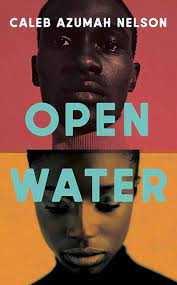
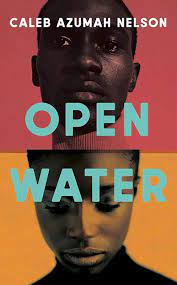
Open Water is the contemporary novellas pick for Novellas in November. Please read Cathy’s review, which I largely concur with, and Rebecca’s review, in which she suggests Normal People as a “readalike” (I can’t comment… yet). Liz also wrote an insightful review earlier this year. All four of us are a little uncertain about this very Millennial (or possibly Gen Z!) novel…
The best part of Novellas in November is the research. Once you start looking, there are <200 page books all over the place, just waiting for the appropriate alliterative month to begin! Here’s a round up of my 2021 discoveries and ambitious TBR.
The official buddy reads
Cathy and Rebecca have included weekly buddy reads in this year’s event, and since all four books were easily procured for no cost (library and Project Gutenberg), I’m going to try and keep up.
Week one is a contemporary novella, Open Water by Caleb Azumah Nelson. I’ve seen this book everywhere, and it got a glowing review from Rachel, so I’m in.
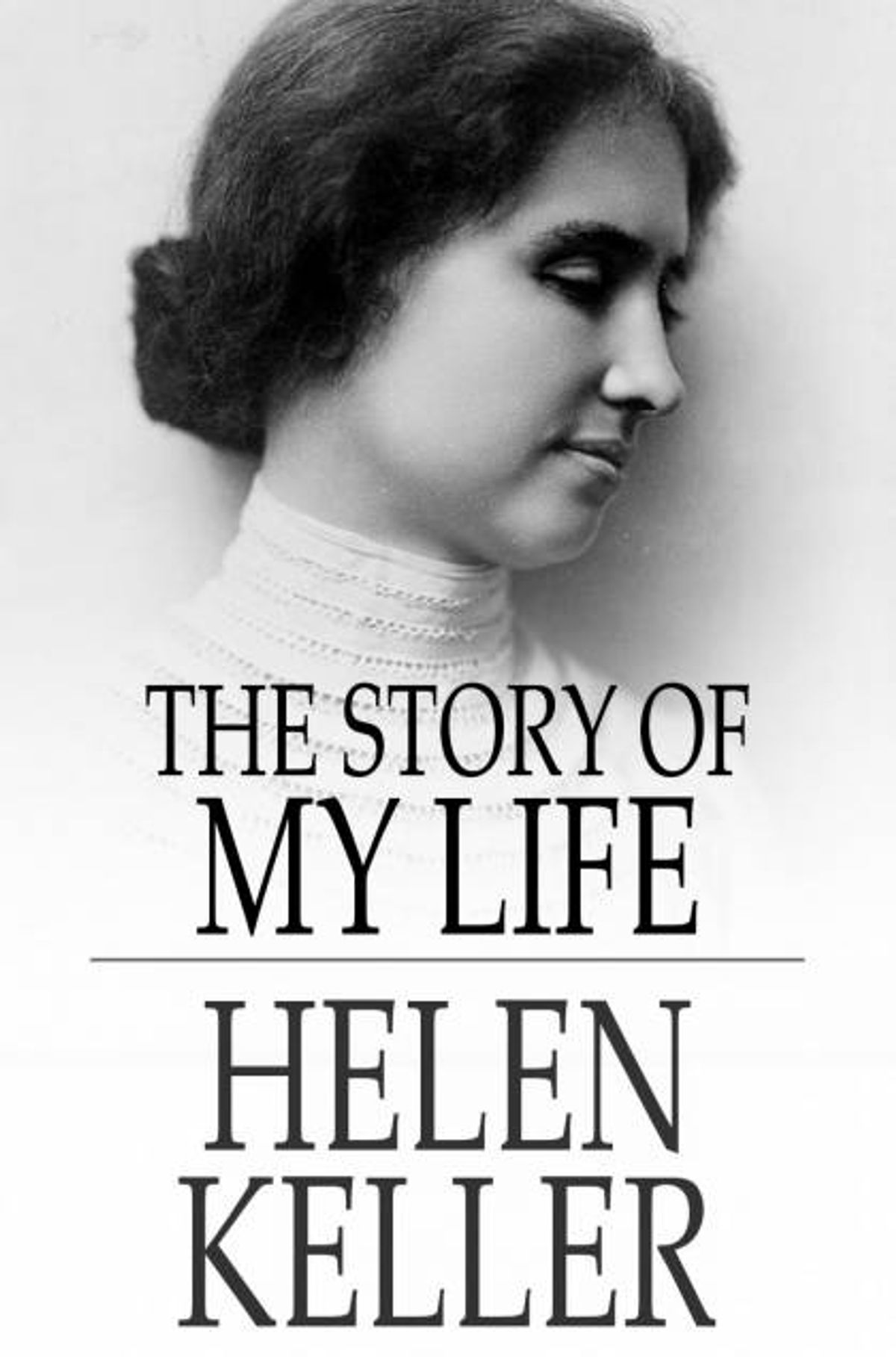
Week two is a work of short nonfiction, The Story of My Life by Helen Keller. I was obsessed with Helen Keller for a while in elementary school and look forward to revisiting.
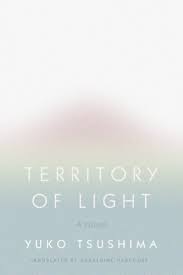
Week three is a novella in translation, Territory of Light by Yuko Tsushima, translated by Geraldine Harcourt. I’ve had good luck with Japanese novellas in the past.
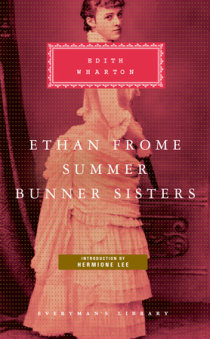
Week four is a classic novella, Ethan Frome by Edith Wharton. I *think* I’ve read it (it’s crossed off in my 1,001 Books page, anyway) but I can’t remember much and seems due for a reread.
The books in my library
Unread novellas from #NovNovs past and recent additions.
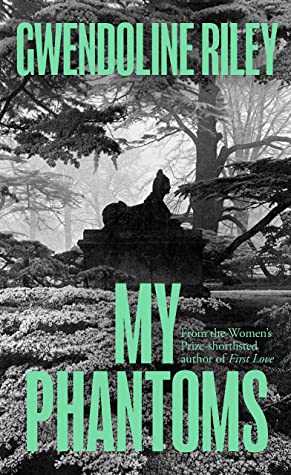
My Phantoms by Gwendoline Riley is 199 pages exactly and arrived last week. It’s a sign.
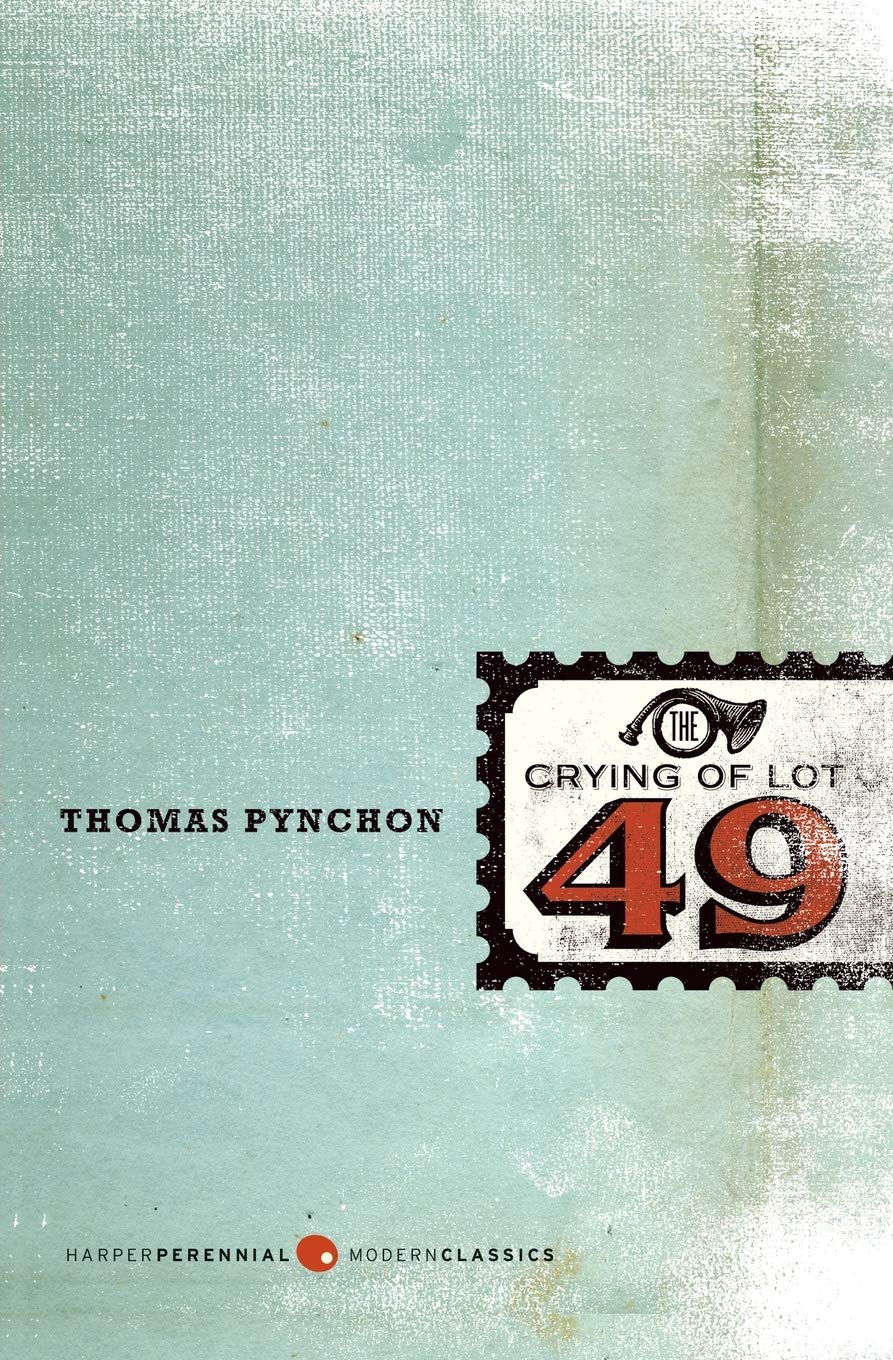
The Crying of Lot 49 by Thomas Pynchon, a leftover from this year’s 20 Books of Summer
The novellas that have crossed my path leading up to #NovNov. Will I get to any of these? Almost certainly not. But maybe… in time…
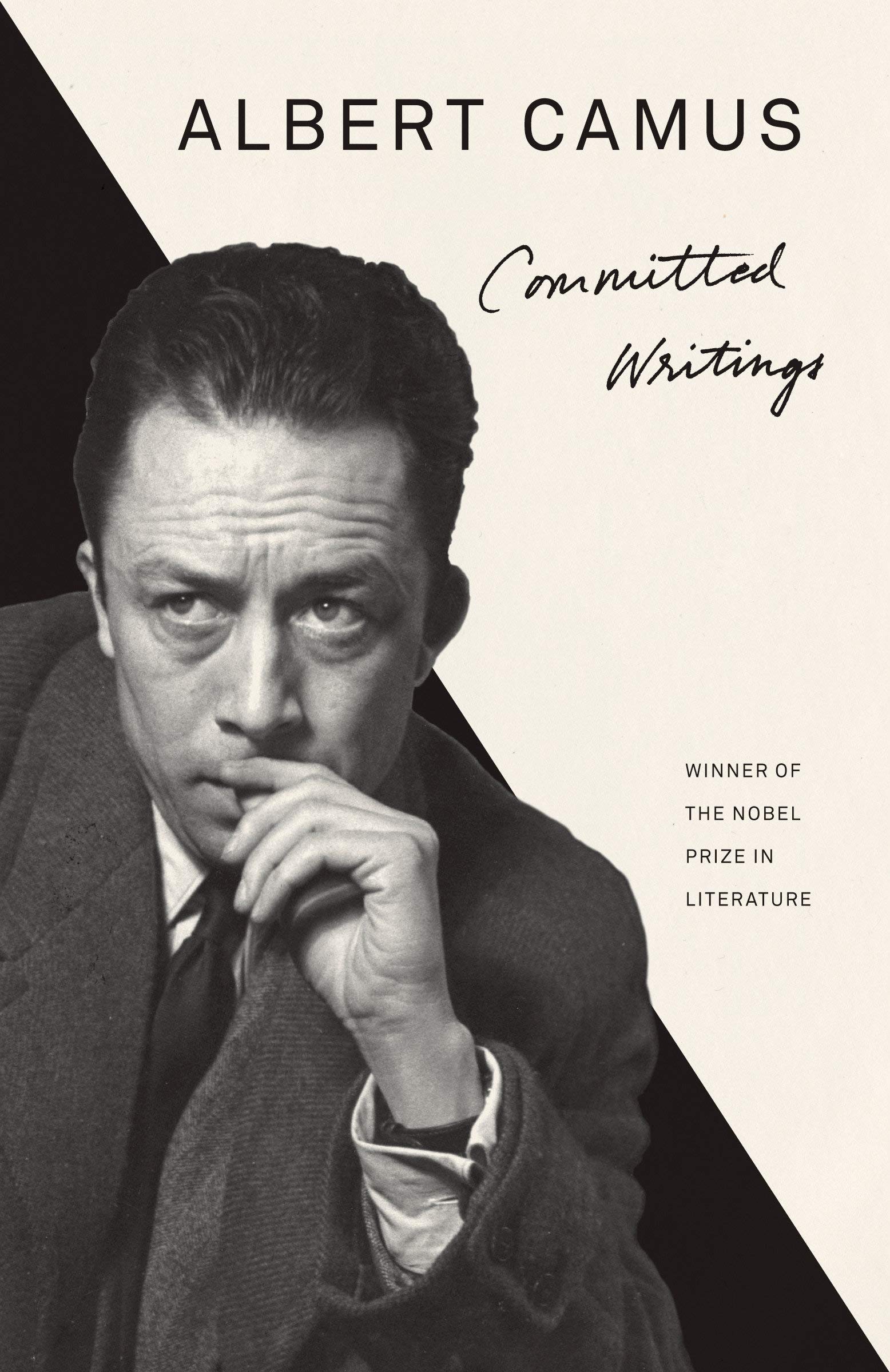
Committed Writings by Albert Camus is a perfect nonfiction novella combo, a collection of speeches and letters, and sounds fascinating. Reviewed by Brona.
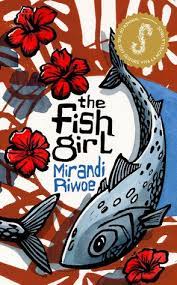
The Fish Girl by Mirandi Riwoe won a novella prize, and is in the tradition of Wide Sargasso Sea(another solid #NovNov pick), in that it takes a side character from a classic novel and gives her new life. Reviewed by ANZ Litlovers.
This week’s #NonFicNov prompt is hosted by Rennie at What’s Nonfiction, and it’s a very good place to start. My year in nonfiction has been pretty good, with a third of the books I’ve read qualifying. I’ve struggled with various reading slumps (or more realistically, stress and depression) in 2021, and sometimes I can convince myself that reading something “real” is more… worthwhile? Grounding? The juicier the better, and I read a few doozies this year. Let’s check out Rennie’s prompts!
My favourite part of blogging has got to be the events. I love hosting a good read-along, but I don’t have the energy right now. So I’ve decided to throw myself into some events hosted by other, more ambitious bloggers.
Nonfiction November
I’ve never participated in Nonfiction November, despite nonfiction making up a significant portion of my reading (about a third of the books I’ve read in 2021, up from about a quarter in 2020 and 2019). It’s time to correct this gross oversight.
You know I love to dive into book blog lore, and I see someone already tried to piece together the origins of Nonfiction November, tracing it back to 2013 and two defunct book blogs (the sad part of looking into book blog history is how many blogs are abandoned… or in this case, one of them redirects to a porn site, beware!). I also found a podcast where the current hosts reminisce about the origins of this event.
As for me? I’m trying to go all in, which means blogging about each of the weekly prompts, starting with a fairly easy one about your year in nonfic so far. I’m most looking forward to “be the expert” week, where I will choose between my expertise in tech pessimism (finishing up The Ugly Truth as we speak), and Jonathan Franzen’s nonfiction, which I should complete at some point during the month (just his most obscure work, The Kraus Project, to go!)
Novellas in November
This one should need no introduction – I did a whole post on the history of my beloved #NovNov and despite appearances, I’ve never hosted, just participated enthusiastically. Which I hope to do again. Capable hosts Bookish Beck and Cathy of 746 Books have not only created weekly themes, but will host read-alongs for each – this might be too much for me and my pandemic-addled brain to keep up with, but on the other hand, it saves me the trouble of choosing books. Territory of Light has been on my radar… and I can’t quite remember if I’ve read Ethan Frome.
Depending how this goes, I might see what’s happening for December as well, anyone organizing anything?
A year ago, I surveyed my media habits after six months of pandemic living. I looked at bookish blogs, YouTube channels, and podcasts. My podcast consumption had suffered the most, since I didn’t drive anywhere. I was also feeling too burned out and disconnected to keep up – imagine, we weren’t even in the second wave yet! Now, from deep in the fourth wave, it’s time to take stock.
Lately I find myself drawn to podcasts. They lend themselves to projects, conversation, and retrospectives, rather than roundups and book hauls, and the tone tends to be more soothing than your average YouTube video. My only frustration with podcasts is that, unlike blogs and YouTube, there’s no comment section.
But that’s the whole point of a blog, right? Spouting off unqualified opinions? Who needs a comment section!
A new bookish podcast launched this month, and it seems tailor made for me. Mr. Difficult is a podcast devoted to Jonathan Franzen, both his works and his public persona. The “project” is reading and discussing Franzen’s novels in order of publication, culminating in Crossroads.
The hosts, writers Erin Somers and Alex Shephard, plus producer Eric Jett, are not fully fledged Franzen stans. In the first episode, they acknowledge that he is difficult to love, and easy to dunk on. Alex says he’s “attracted and repelled” by him, and Erin says she’s somewhere between a lover and hater. Personally, I find his dunkability endearing, but that’s just me…
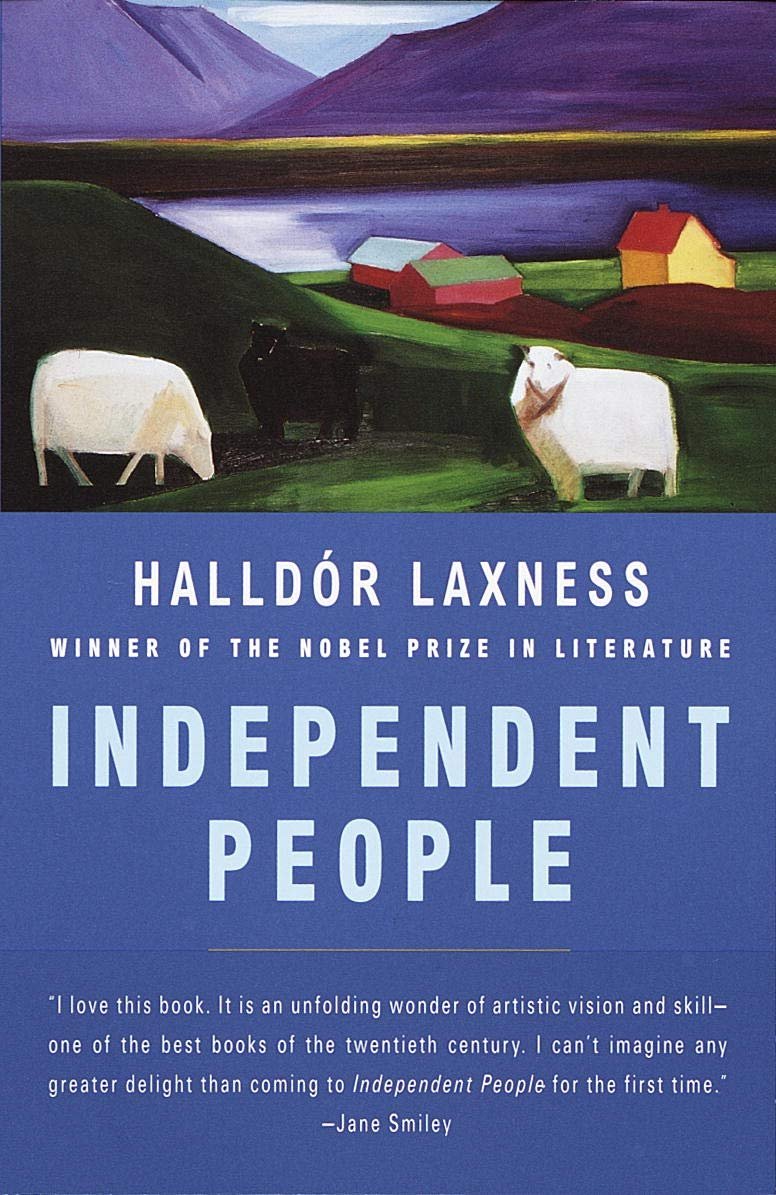
Independent People is #625 on the 1,001 Books You Must Read Before You Die list.See the whole list and my progress here.This summer, I’m reading from the list for my 20 Books of Summer challenge, and instead of straight reviews, I’m going to compare the 1,001 Books write-ups with my own impressions.
Independent People gets the half-page treatment in the 1,001 Books (as opposed to some of the other books I’ve covered this summer, e.g. Tristram got a two page spread with illustration from a c.1760 edition, The Fox a full page with author photo, and Wise Children a full page with original cover art), not giving me a lot to go on. Contributor Jonathan Morton gets a little dig in by calling the main character Bjartur “often idiotic”, but otherwise sums up the plot, touches on the historical backdrop of WWI and the rise of socialism, and describes the epic and mythical tone of the story. He also reminds us that Laxness wrote many other books and remains the “undisputed master of Icelandic fiction” more than twenty years after his death (only 8 years at the time of the write up, but still).
Not much to disagree with there! But I was interested by that “idiotic” description, and it reminded me that the introduction to my edition, by poet and novelist Brad Leithauser, goes a bit too easy on old Bjartur: “Occasionally it is borne in upon Bjartur that his women are tortuously unhappy” being one example of the passive voice, which to be fair, might be ironic or meant to show how oblivious he is, but made me laugh out loud, given that Bjartur leaves one wife to die alone in childbirth, despite her protests, and begrudges the other any comfort in a life marred by constant pregnancy, stillbirths, and illness. Leithauser does concede that Bjartur is at once “petty-minded and heroic; brutal and poetic; cynical and childlike” but seems just a bit too in awe of both the character and Laxness himself to write an introduction that can inspire or interest the new reader. At least he acknowledges it, calling Independent People the “book of [his] life”, a book so close to him that “evaluation becomes a niggling irrelevance”.
August is Women in Translation month, or #WITmonth. Created and hosted by the tireless Meytal of Biblibio since 2014, and this year debuting a shiny new website, #WITmonth is just what it sounds like: a month celebrating women, transgender, and nonbinary authors who write in other languages. It’s also just a great way to discover books that are off the beaten path.
Due to unforeseen circumstances (my own poor planning), I will not be reading any women in translation this August. Deciding to read from the 1,001 Books list this summer was my first mistake. If you think the canon is bad for including women, wait until you see how many women writing in other languages there are! I’m not counting, but not many! So I will take this opportunity to hype the three qualifying books I read earlier this year.
Little Eyes by Samanta Schweblin, translated from the Spanish by Megan McDowell: I’ve read all three of Schweblin’s books in English translation, and this may be an unpopular opinion, but I like Little Eyes the best. Fever Dream was a bit too vague for me, and Mouthful of Birds, like most story collections, suffered from unevenness. They were both a bit too showy with the magical realism as well. I’ve read a lot of Gabriel Garcia Márquez, so my expectations are pretty high on that front! But Little Eyesis the perfect blend of dystopia, speculative fiction, and character study. It’s also halfway between a novel and a story collection in a way that I found captivating. The premise, that a Furby-like toy could allow an anonymous person to watch your every move, lends itself to questions (would you try it? Would you be a keeper, who is watched, or a dweller, who watches?) and unexpected fallout for the keepers and dwellers we get to watch. This is as good as Margaret Atwood at her speculative best (and Schweblin doesn’t bristle *quite as much* at the genre label, though she doesn’t quite embrace it either).
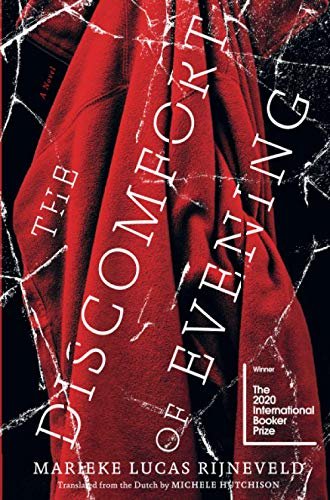
The Discomfort of Evening by Marieke Lucas Rijneveld, translated from the Dutch by Michele Hutchison: It’s been several months since I finished this International Booker Prize winner, and I don’t think I’ve processed it, so there’s not a lot I can say, except that it’s one of the most powerful and bleak books I’ve ever read. Though I am seeing several parallels to my current read, Independent People by Halldór Laxness. Both are centered on isolated farming families who are barely hanging on financially, and are then struck by losses both animal and human. Laxness’ story is from the perspective of the patriarch (thus far) while Rijneveld gives us a child narrator. Coming of age, and father-daughter relationships, are also central to both. I’ll think about this more once I finish Independent People, but in the meantime, I can’t recommend The Discomfort of Evening enough, though I do suggest you brace yourself.
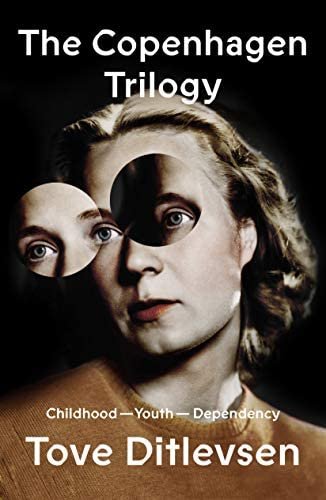
The Copenhagen Trilogy by Tove Ditlevsen, translation from the Danish by Tiina Nunnally and Michael Favala Goldman: I know these are memoirs, but they read like a more direct and subversive version of Neopolitan Novels. Less flowery and lyrical than I expected from a celebrated poet, but full of perfect images and sentences, I flew through this book and desperately wanted more. Ditlevsen was a prolific writer, but there’s not a lot more out there in English. Hopefully, the success of this trilogy will spur publishers and translators to give us more.
The Life and Opinions of Tristram Shandy, Gentleman is #963 on the 1,001 Books You Must Read Before You Die list.See the whole list and my progress here.This summer, I’m reading from the list for my 20 Books of Summer challenge, and instead of straight reviews, I’m going to compare the 1,001 Books write-ups with my own impressions.
Tristram Shandy is a tough book to summarize, let alone in the couple of paragraphs granted each 1,001 Books entry. Contributor Drew Milne makes a good attempt, touching on the absurdities of a book about “the life and opinions” of a man who isn’t even born until several volumes in, and the experimental nature of Sterne’s writing, which acknowledges the futility of trying to capture life on the page.
Wise Children is #173 on the 1,001 Books You Must Read Before You Die list.See the whole list and my progress here.This summer, I’m reading from the list for my 20 Books of Summer challenge, and instead of straight reviews, I’m going to compare the 1,001 Books write-ups with my own impressions.
In a nice contrast with the first of these comparisons, I completely agree with 1,001 Books contributor Anna Foca that Wise Children is a “joyously exuberant unraveling of purity, legitimacy, and other cultural fantasies” and that it “gleefully documents the comic hybridizing forces of worlds colliding”. I honestly don’t know that I can put it better than that.
The Fox is #724 on the 1,001 Books You Must Read Before You Die list.See the whole list and my progress here.This summer, I’m reading from the list for my 20 Books of Summer challenge, and instead of straight reviews, I’m going to compare the 1,001 Books write ups with my own impressions.
The Fox is a borderline novella, 86 pages in my wide-margined and illustrated edition. The 1,001 Books write-up begins by contrasting the length of this book with Lawrence’s major works, calling it “too brief and too self-contained” to include much more than plot. I can’t argue that it’s brief, though I would argue that there’s plenty of the “symbolism and mysticism” the reviewer found lacking, right where you’d expect it – the titular fox, who poaches chickens from two women running a small farm, is transposed onto the returning WWI solider who disrupts their solitary life:
“But to March he was the fox. Whether is was the thrusting forward of his head, or the glisten of the fine whitish hairs on the ruddy cheek-bones, or the bright, keen eyes, that can never be said: but the boy was to her the fox, and she could not see him otherwise.”