Whither the blogroll?

I added a blogroll to Reading in Bed. I thought this would be a quick tweak, but apparently WordPress removed the blogroll “widget” nearly a decade ago. Despite that, I see blogrolls in the sidebar of book blogs fairly often. They aren’t dead. But they have waned, likely for the same reason that blogs themselves have – the ascension of big social media platforms. Who needs a quickly-outdated list of recommended blogs when Twitter can take a pretty good guess at what else I want to see, and suggest a passel of related accounts every time I hit the follow button?

The fact that they do still exist, and that the ones I quickly surveyed appear to be up to date, suggests that there must be something relevant about a blogroll, something that social media, or newer WordPress widgets like “recently liked”, can’t quite replace. As I filled in my blogroll, I went down a blogroll rabbit hole, as it were…

Who coined the blogroll

One of the only “official” looking sources of info about who may have coined “blogroll” comes from a 2004 book called “Who Let the Blogs Out” by Biz Stone, who names Jason DeFillippo, and points to a website that no longer has anything to do with blogrolls. Stone and DeFillippo have both since shuttered their blogs and moved on to newer media (Stone co-founded Twitter, DeFillippo produces podcasts).

This is painfully early aughts

There’s a bit of a historical record around the time that WordPress removed its built-in blogroll feature, notably this post from (also defunct) Lorelle on WordPress that gets into the controversy and ends up recommending, perhaps reasonably, that if you want to recommend another blog, you just write a post about it.

Why blogroll now, in the year of our Lord 2022

Posting about your favs is a valid suggestion, but posts and pages get buried. Unless you are very dedicated to posting links to other blogs (e.g. Pickle Me This “Gleanings“), blogrolls still seem to best serve bloggers (build community, signal where you fit in the “blogosphere”) and visitors (find more blogs to follow with ease) alike.

I decided to add a blogroll for an even more self-serving reason: I wanted an easy way to check in on my favourite blogs. I use the WordPress reader, and have email notifications turned on for some blogs, but I only really sit down to read and comment every week or two. I get quickly overwhelmed by how many posts I’ve missed. There are only so many tabs I can open! I want a limited list of homepage links, so I can take a quick look at new posts from the past few weeks. I also prefer to actually “visit” blogs, rather than view them in the reader or in an email, which strips away all the formatting and menus.

Blogrolls: you can too

If you want to add your own, you have to add a “menu,” title it “blogroll,” and use a widget to place it on your homepage, a process much better explained by wpbeginner. It’s easy enough, just a little clunky, as you must type in each blog’s title (and double-check format and capitalization), manually toggle it to open in a new window, and manually alphabetize the list at the end.

So far, I have 26 blogs listed. These are the blogs I want to have handy for weekend perusing, the ones I comment on most, most of which I’ve followed for many years. I started using it to catch up on blogs today, and I love it.

If you need some blogroll inspiration, check out Ye Olde Blogroll, a sort of blogroll without the blog, with around 200 links across many categories, including books. It’s delightfully old school but well maintained.

And if you’re looking for some new book blogs to follow, look to your lower right (or scroll waaaaay down if you’re on mobile). Assuming you aren’t reading this in WP Reader or an email digest or something. Work with me!

Reading Roundup: Winter/Spring 2022

Woman Reading in a Forest, Gyula Benczúr, 1875

Inspired by this existential blogging crisis and wrap up by Volatile Rune.

I knew it’d been a few years since I did any kind of wrap up or roundup, outside of a year-end post. I did not think it’d been since 2013! I’m going to try to follow my old format and see what happens, and cover the last few months.

Book events

Few and far between recently, but I am signed up for a event for The Books of Jacob next week, hosted by Portland State University, which will include translator Jennifer Croft and other luminaries. I have 836 pages to go (the pages are numbered in reverse, so I can say that with confidence), and I’m loving it so far.

Blog events

I am not as tuned in as I was nine years ago, but there are a few things happening:

Books read

Some highlights. Someone recently asked me what kind of books I like, and the first thing that came to mind was “weird Japanese short fiction”:

  • Convenience Store Woman and Earthlings by Sayaka Murata, tr. Ginny Tapley Takemori. I read these with my sister, and the sharp turn from quirky to unsettling, both within each story and between the two books, was a lot to take! She’s got a short story collection coming out in July, I wonder if I can convince Cait to go for the trifecta…
  • Heaven by Mieko Kawakami, tr. Sam Bett and David Boyd. I normally don’t like it when an author inserts long philosophical meanderings, masquerading as dialog… (remembers that I like Dostoyevsky)… okay maybe I do like it.

I hate to call stories set in the late 20th century “historical fiction” but these sure evoke the era:

  • Daisy Jones and the Six by Taylor Jenkins Reid (70s). Great fun while you’re reading, but on a moment’s reflection, full of cliches and plot holes.
  • The Secret History by Donna Tartt (80s). I liked it, but was expecting something more? It really reads like a debut, which, fair enough! I may have been spoiled by accidentally reading an erotic fanfic first.
  • Larry’s Party by Carol Shields. A trip through the 70s, 80s, and 90s with an every-man who’s very into mazes and metaphors.

I absolutely needed to read short stories in between the interminable Gargantua and Pantagruel:

  • Filthy Animals by Brandon Taylor. For me, a big improvement on the super-hyped Real Life, it felt more assured.
  • Hateship, Friendship, Courtship, Loveship, Marriage by Alice Munro, you know how I feel about that one.
  • Homesickness by Colin Barrett. Like Taylor, I think Barrett made a leap forward in his style, and he was already a genius-level writer so… yeah.

Books I want to read and a pre-announcement if you made it this far

I keep a “TBR not owned” list in my books spreadsheet (I have long quit Goodreads) and have added 14 books so far this year, most recently Bad Dreams by Tess Hadley, based on this review.

But the book I’m really thinking about right now is The Brothers Karamazov. I think it’s time, and may resurrect the Reading in Bed Summer Read-along to do it. I’ve read seven Dostoyevsky novels over the years, loved them all, and this is the only of his major works I haven’t read. And it checks all the read-along boxes (on the 1,001 Books list, near one thousand pages, seems wildly inappropriate for summer reading). Feel free to express your interest below and watch this space!

How to read the 2022 International Booker Prize longlist in Canada

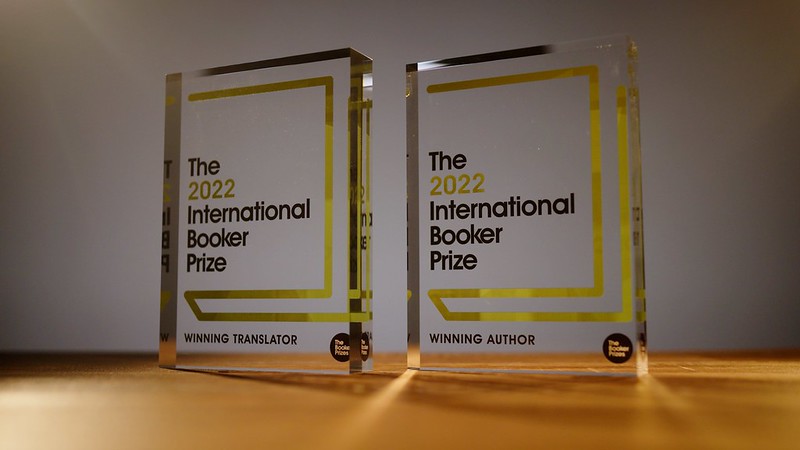
In what has become a biennial tradition (see 2018, 2020), I present to you my guide to the International Booker Prize for Canadians. The fact that this is necessary is a good thing, as it means this prize continues to spotlight small publishers. Small publishers don’t always have international distribution, but, where there’s a will, and a spreadsheet, there’s a way.

Continue reading

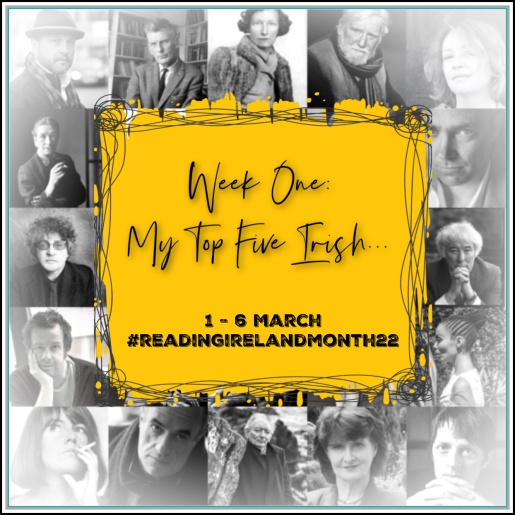
My Top Five Irish… Canadian Authors!

It’s week one of Reading Ireland Week and… okay look. I need a quick and easy, list-style prompt to get me back in the game. I haven’t posted all year. Nor have I read any Irish books (though that will change soon). Week one of Cathy’s long-running event prompts us to rank our top five Irish “novels, writers, films, musicians, plays, poems, albums” and so on, and I am ready to take it in just a slightly different direction…

While I love me some Tóibín, Joyce, and Keyes (Marian, that is), much of my Irish reading is actually Irish-Canadian reading. Here are my top five Irish-Canadian authors:

Continue reading

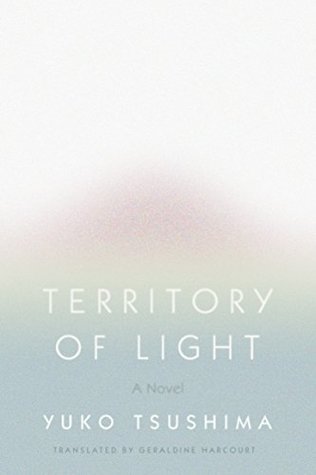
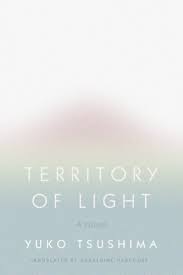
Novellas in November: Territory of Light by Yuko Tsushima, translated by Geraldine Harcourt

I expected this novella to land as lightly as the cover treatment – like diffuse and gentle morning light. It hit me more like a bright midday sun beam.

It’s a rare book that conveys the frustration, boredom, and drudgery of early motherhood without veering into gross-out humour or sentimentality. I don’t relate to any of the particulars of this story – I became a mother in another millennium, on another continent, and by the time my oldest was turning three, I already had another baby – but the parent-toddler struggles, at the park, at a festival, at daycare drop off, during middle of the night wake ups, are instantly recognizable.

Continue reading

Nonfiction November Week 4: Stranger than fiction

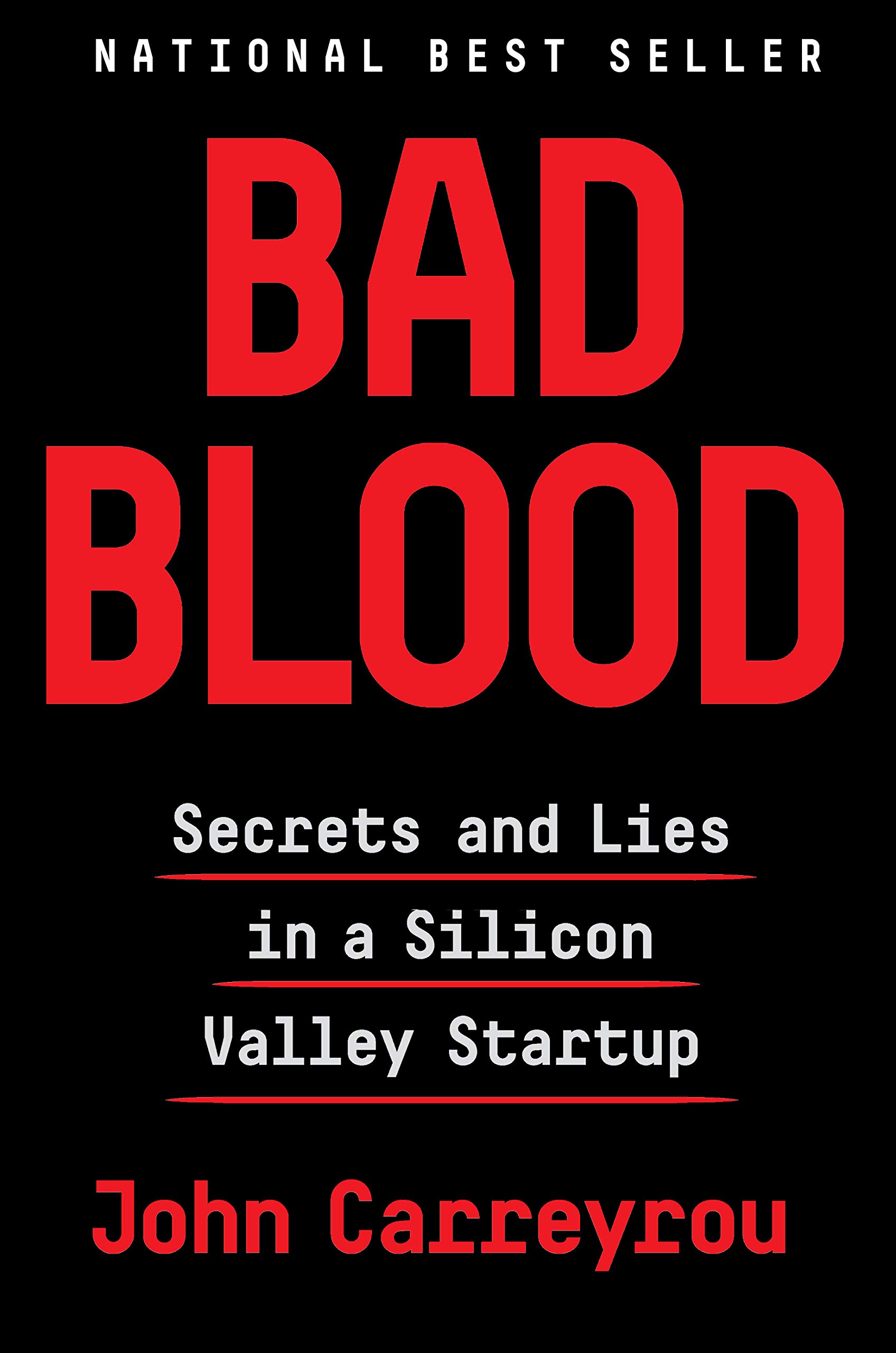
This week’s prompt is hosted by Christopher of Plucked From the Stacks, and I had a hard time with this one! We are to highlight “great nonfiction books that almost don’t seem real” and I wasn’t sure where to take it – nonfiction that in fact turned out not to be real (A Million Little Pieces) or at least disputed, or nonfiction that presents itself as fiction (thinking of genre benders like The Order of the Day by Éric Vuillard and Flights by Olga Tokarczuk), or to stop overthinking it and say Bad Blood.

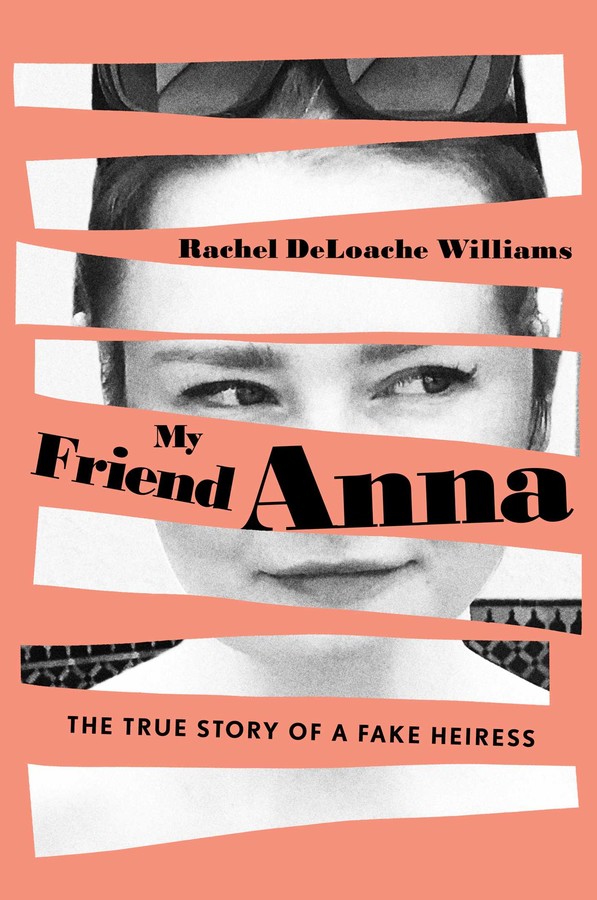
And I will say Bad Blood by John Carreyrou, for all the reasons everyone else is saying it. How this woman scammed everyone around her for so many years is, indeed, stranger than fiction. For extra surrealness, I’m following her trial on Twitter. Another book along these lines (though in a very different setting) that I’d love to read is My Friend Anna: The True Story of a Fake Heiress by Rachel DeLoache Williams, though I get the sense that most of the best details are in the author’s original article. And finally, I eagerly await Bitcoin Widow by Jennifer Robertson, the wife of deceased (maybe) bitcoin mogul and pyramid schemer Gerald Cotten. I hope that there are some jaw dropping revelations, though I won’t hold my breath; if she really helped him fake his death, she’s certainly not going to spill in a book.

And I’ll leave it there. I’m off to read other entries. Start with this week’s host, he’s got some doozies, including the book that inspired the prompt, The Great Beanie Baby Bubble: Mass Delusion and the Dark Side of Cute by Zac Bissonnette. What a title!

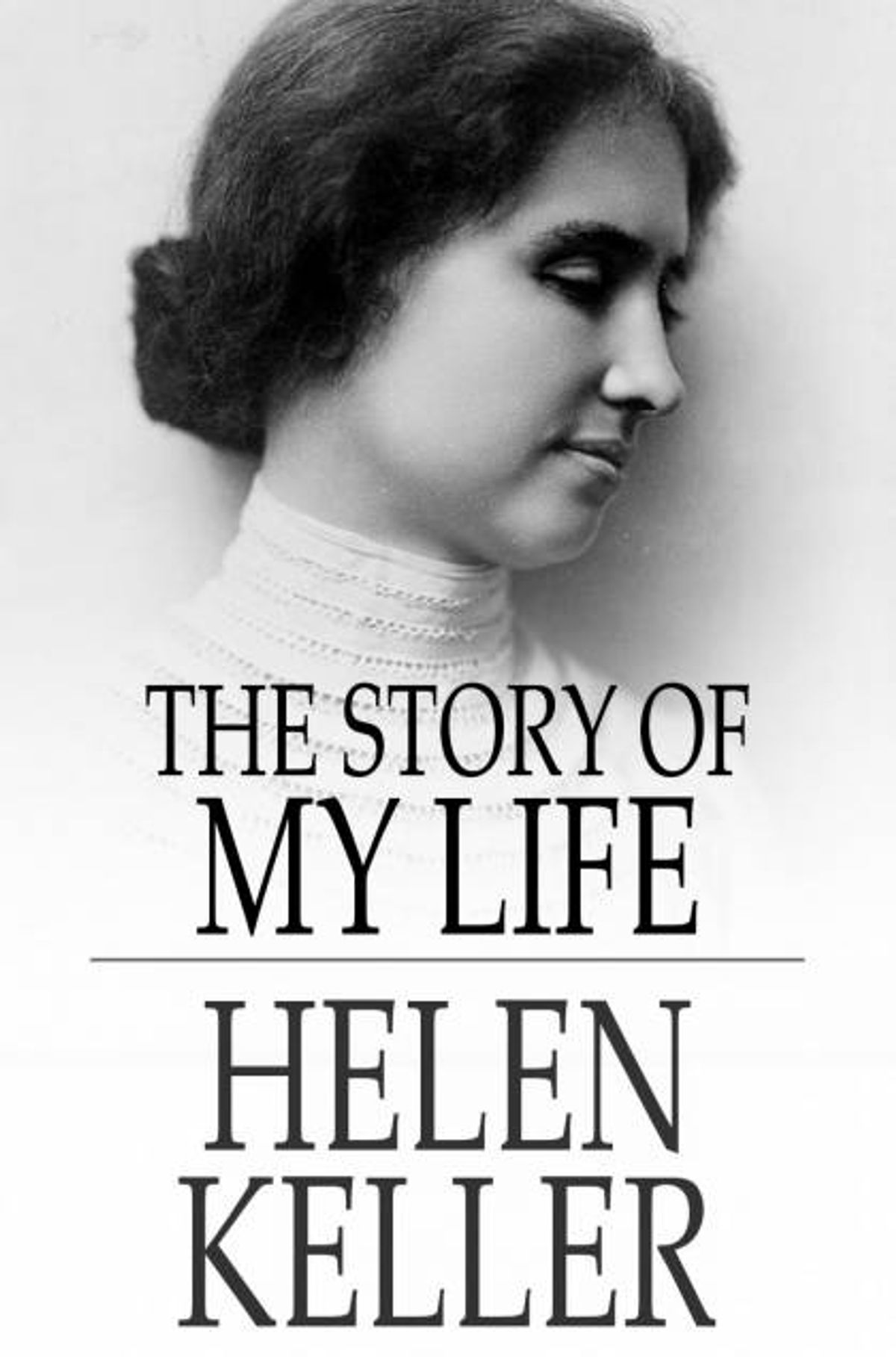
Novellas in November: The Story of My Life by Helen Keller

The Story of My Life is the short nonfiction pick for Novellas in November. As always, please refer to Cathy and Rebecca for more thorough reviews.

I was briefly obsessed with Helen Keller as a child. Is this still a phase girls go through in elementary school? There was one book in particular that I read over and over, maybe in grade three or four. I don’t know which book it was (plenty to choose from), but it wasn’t this one.

I was taken with Helen’s childhood: the illness that left her blind and deaf, the wild tantrums of her early years, and her sudden awakening to the world on the arrival of her teacher, Anne Sullivan. So taken that I “borrowed” a few phrases from whatever book I was reading and used them in an assignment, and got called out by my teacher. My memory is not as good as Helen’s, so I couldn’t tell you all the particulars, but I remember the phrase I used was something that ended in “she bolted from the room”. My teacher said it sounded like I copied it, which I did, but I was very indignant; isn’t it okay to learn a new way to say something, and use it somewhere else? I remember the feeling to this day.

Imagine my surprise when I learned that Helen Keller was also called out by a teacher for plagiarizing, and that it was a pivotal moment in her life.

Continue reading

Nonfiction November Week 3: Be the expert on tech pessimism

This week’s #NonFicNov prompt is hosted by Veronica, who has given us a few options: you can be the expert, ask the expert, or become the expert on a topic of your choosing. I informally put out a “ask the expert” call in my previous post, and it was answered! If you also want to learn more about Iceland, look no further. This week, I’m going to be the expert on tech pessimism, or to be more precise, on the many, many ways in which social media is harmful.

I’m not really a tech pessimist, or if I am, I’m deeply in denial, seeing as I tweet an average of 250-300 times per month. And yet I’m drawn to these books. I read them, agree with them, vow to change my ways, take week or month-long social media breaks, and then go right back to where I started. I see my Twitter addiction like my (long dormant, but never really gone) smoking addiction; the only way to beat it is to go cold turkey and to never give it an inroad. But unlike smoking, I can’t fully give up social media and neither can you, probably.

Continue reading

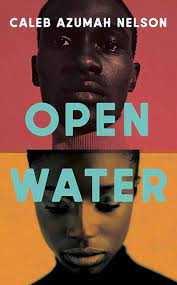
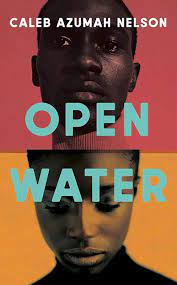
Novellas in November: Open Water by Caleb Azumah Nelson

Open Water is the contemporary novellas pick for Novellas in November. Please read Cathy’s review, which I largely concur with, and Rebecca’s review, in which she suggests Normal People as a “readalike” (I can’t comment… yet). Liz also wrote an insightful review earlier this year. All four of us are a little uncertain about this very Millennial (or possibly Gen Z!) novel…

Continue reading

Novellas in November 2021 TBR & Research Round Up

The best part of Novellas in November is the research. Once you start looking, there are <200 page books all over the place, just waiting for the appropriate alliterative month to begin! Here’s a round up of my 2021 discoveries and ambitious TBR.

The official buddy reads

Cathy and Rebecca have included weekly buddy reads in this year’s event, and since all four books were easily procured for no cost (library and Project Gutenberg), I’m going to try and keep up.

  • Week one is a contemporary novella, Open Water by Caleb Azumah Nelson. I’ve seen this book everywhere, and it got a glowing review from Rachel, so I’m in.
  • Week two is a work of short nonfiction, The Story of My Life by Helen Keller. I was obsessed with Helen Keller for a while in elementary school and look forward to revisiting.
  • Week three is a novella in translation, Territory of Light by Yuko Tsushima, translated by Geraldine Harcourt. I’ve had good luck with Japanese novellas in the past.
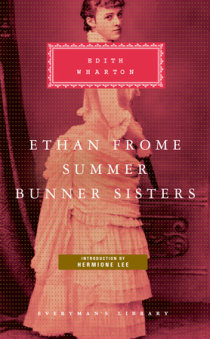
  • Week four is a classic novella, Ethan Frome by Edith Wharton. I *think* I’ve read it (it’s crossed off in my 1,001 Books page, anyway) but I can’t remember much and seems due for a reread.

The books in my library

Unread novellas from #NovNovs past and recent additions.

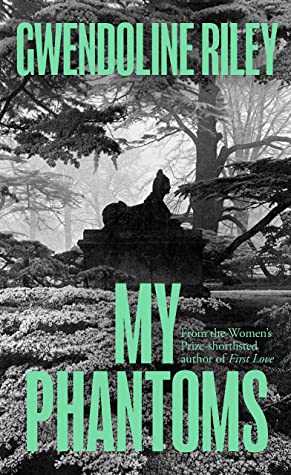
  • My Phantoms by Gwendoline Riley is 199 pages exactly and arrived last week. It’s a sign.
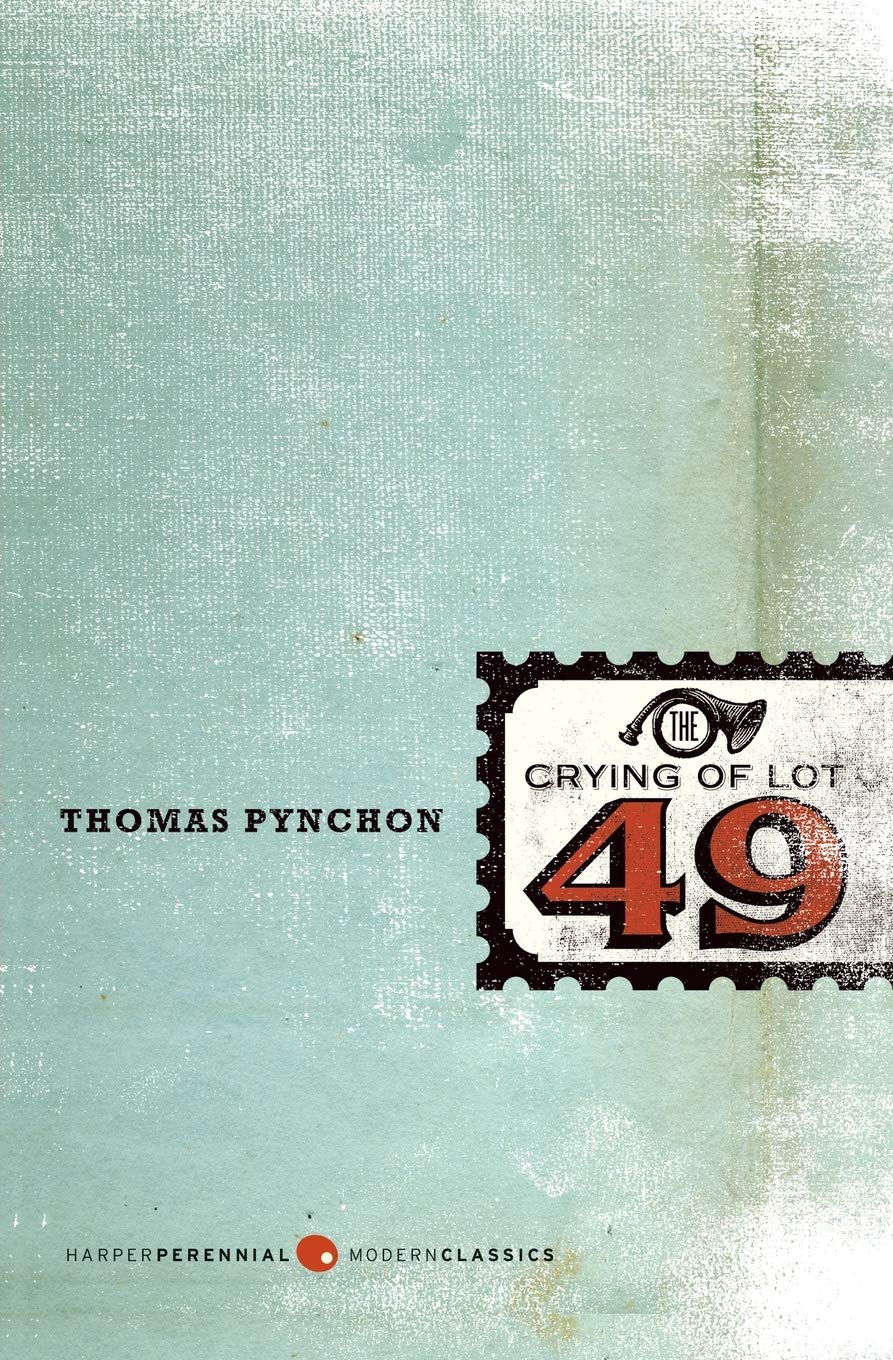
  • The Crying of Lot 49 by Thomas Pynchon, a leftover from this year’s 20 Books of Summer
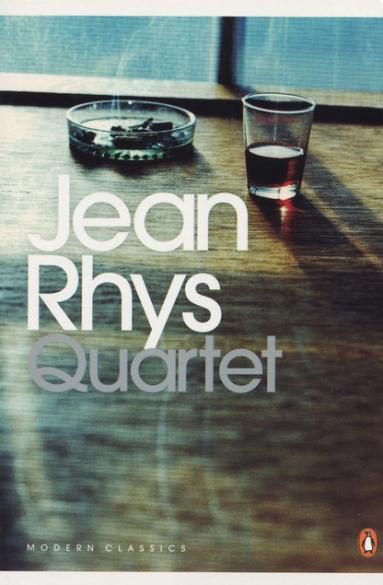
  • Quartet by Jean Rhys, ditto.
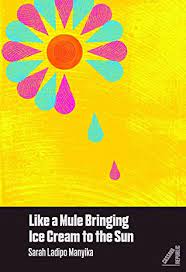
  • And on loan from the library, Like a Mule Bringing Ice Cream to the Sun by Sarah Ladipo Manyika, recommended by Caribbean Girl Reading the World.

The discoveries

The novellas that have crossed my path leading up to #NovNov. Will I get to any of these? Almost certainly not. But maybe… in time…

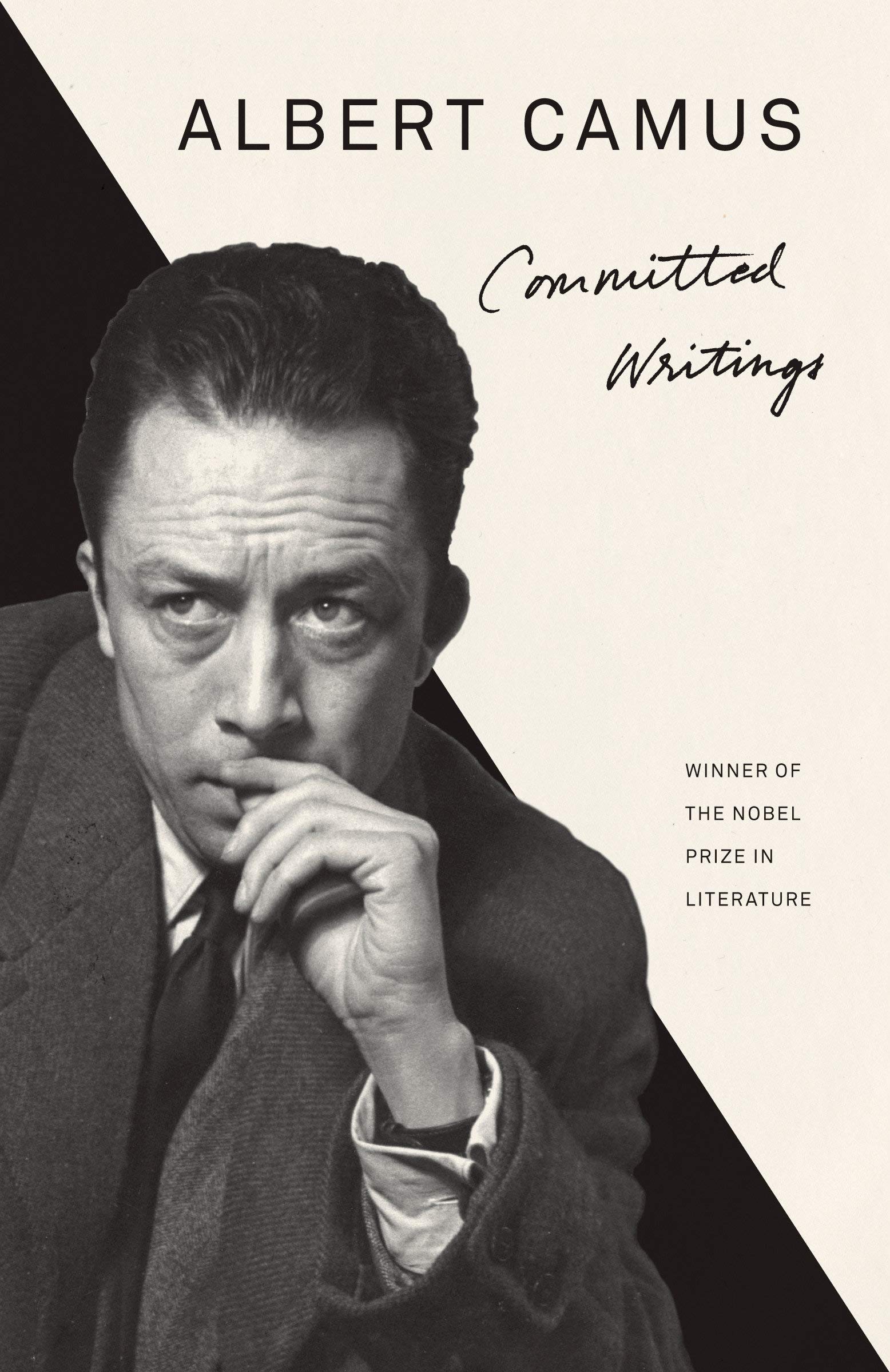
  • Committed Writings by Albert Camus is a perfect nonfiction novella combo, a collection of speeches and letters, and sounds fascinating. Reviewed by Brona.
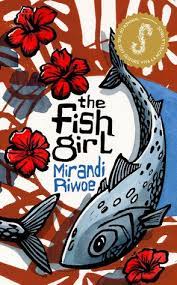
  • The Fish Girl by Mirandi Riwoe won a novella prize, and is in the tradition of Wide Sargasso Sea (another solid #NovNov pick), in that it takes a side character from a classic novel and gives her new life. Reviewed by ANZ Litlovers.
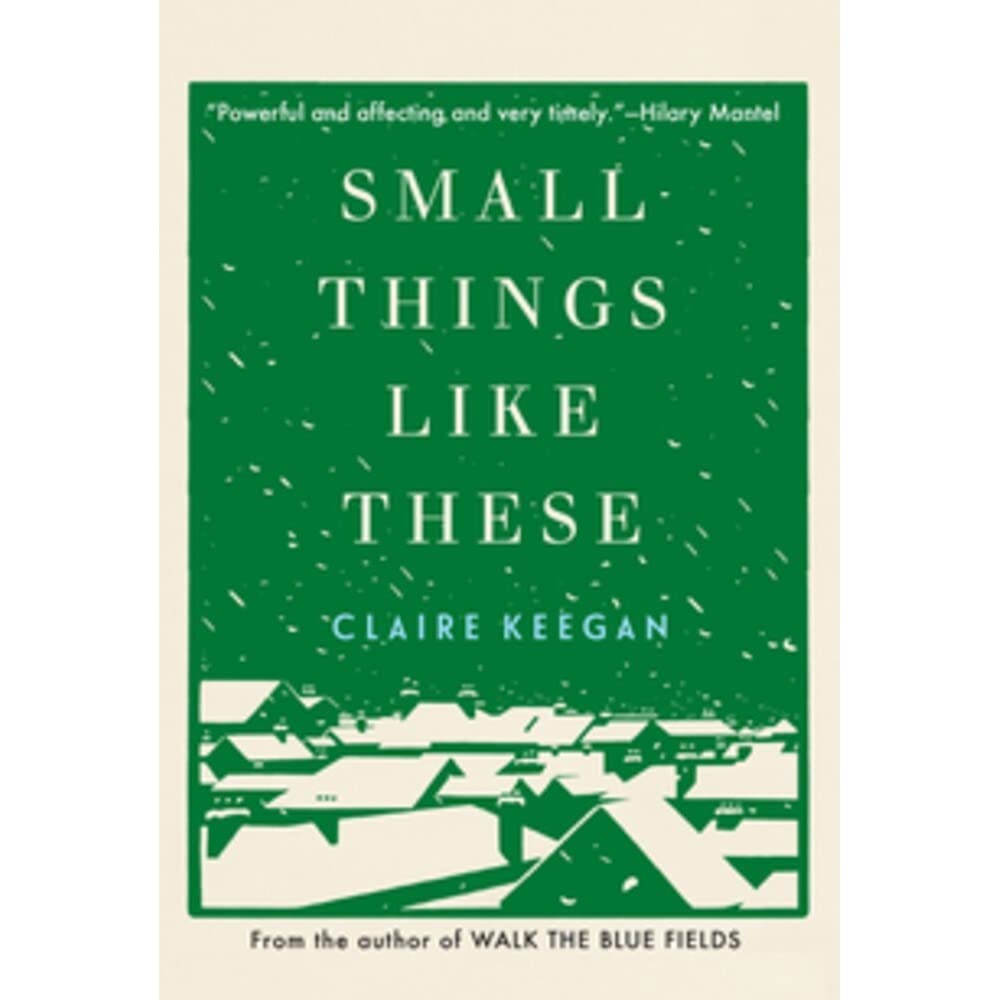
  • Small Things Like These by Claire Keegan, profiled in The Guardian.
  • A wide selection of novellas by women in translation, selected by Naty.