Category: 1001 Books
Irish Twins: The Sea by John Banville and The Secret Scripture by Sebastian Barry
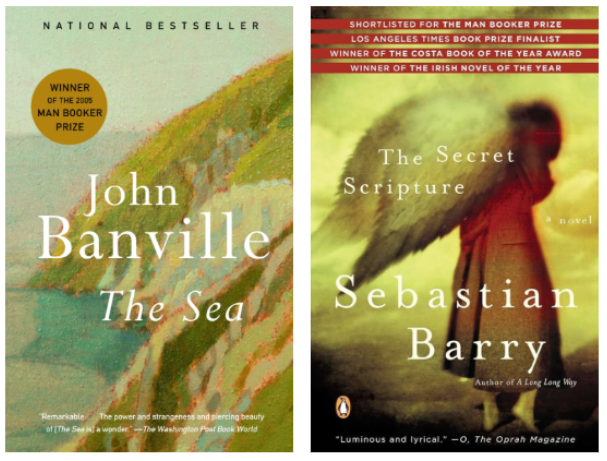
Welcome to Reading Ireland Month, hosted by Cathy of 746 Books! My participation is a fluke (or luck of the Irish?), as I just happened to finish two Irish books recently. Let’s go with luck, as both these books were great and had surprising parallels, so it’s like I was meant to read them back-to-back. In lieu of a real review, which would take me longer than we have days left in March, let me tell you how Banville and Barry ended up writing very similar stories, within a few years of each other.
I read The Sea first. This is my fourth Banville, and the first that isn’t part of the Frames trilogy, so I thought this would be something completely different from those books, that were full of murder, sex, and art. Not so much – the protagonist Max Morden is a little older and much milder man than Freddie Montgomery, but he’s an art writer (Freddie was an appraiser), and we learn much (too much?) about his sexual awakening, as a childhood obsession with an older woman quickly gets transferred to her more age-appropriate daughter during a summer vacation. In the current-day thread, Max is mourning the loss of his wife, and is driven to visit the site of these past dalliances. We learn that the marriage was a little complicated, and there’s an almost-estranged daughter in the mix as well. The unreliability of memory and impossibility of learning the truth about the past are the main things here, but there is also a mystery to solve, and a revelation near the end gave me the delicious readerly sensation of being both surprised, but also believing this is the only way for the story to end.
Then I read The Secret Scripture. This is my second Barry, and part of a different series than Days Without End, which I read when it was up for the Booker (another commonality of these authors: they are often up for the Booker, and occasionally win). Barry is a little less seedy than Banville, but there are many parallels: a man in his sixties, recently widowed after a complicated marriage, no children this time, but nearing the end of his career in psychiatry. Both men’s stories are told in the form of a diary, sort of – we understand that Max is writing about his life instead of what he should be writing, the manuscript of his next book, while Dr. Grene is writing in his “Commonplace Book” instead of what he should be writing, a psychiatric assessment of a 100-year-old patient in his care, Roseanne. Dr. Grene must find placements for all his patients, as the hospital is about to be demolished. Roseanne has been institutionalized for about sixty years, outliving anyone who could tell Dr. Grene why she was put there in the first place. At the same time, Roseanne is writing an account of her life – a “Testimony of Herself”. There’s no parallel narrative in The Sea, though there are certainly women and girls who transgress norms in a repressive culture that punishes women who don’t fall in line. The Secret Scripture is also more overtly about Irish history – it can’t help but be, with a character who was born around 1910 in Sligo. Roseanne’s father, husband, and brothers-in-law are historical actors in various ways, but it’s Roseanne who survives and tells all of their stories.
Dr. Grene could have admitted Roseanne to a hospital and been done with it, but he becomes obsessed with unravelling the mystery of her life. Likewise, Roseanne would be forgiven for giving up, after living through unimaginable hardship, historical and personal, but she is just as driven to unravel things. Though it’s her own life, it’s no less mysterious. Like The Sea, the mystery comes together in a way that would have been contrived in the hands of almost any other writer.
The last-minute revelations, I’ll admit, prevented these novels from being my favourite from either author. There is something a little too neat here, even though the stories are expertly written and the endings feel “earned”, and, especially in the case of the Barry, cathartic. But a middling Barry or Banville novel is better than almost anything else out there, so I’m not complaining.
It’s Always Sunny in La Mancha

I discovered two beloved and durable classics in 2025, but only one counts towards my 1,001 Books challenge: Don Quixote by Cervantes, translated by Edith Grossman.
Don Quixote’s length means it becomes an undertone to whatever else is going on in your life during the weeks (okay, months) you are reading it. For critic Ariel Dorfman, Don Quixote is forever linked to the coup in Chile, as she and 30 other refugees read it to each other in 1973 while hiding in an embassy. Ed Simon, an editor at LitHub, connects Cervante’s imprisonment and themes of freedom in the book with the kidnapping and imprisonment of immigrants in modern America.
As for me, I read Don Quixote (DQ hereafter unless I mean the character) while binge-watching It’s Always Sunny in Philadelphia (IASIP hereafter), and now, it is inextricably linked with The Gang’s adventures.
This is perhaps not as meaningful as others’ experiences, but as I watched and read, I started to suspect that Cervantes invented the sitcom, rather than the novel, which he is often credited with. This feels significant, as sitcoms are dying out, after overtaking novels as a dominant narrative form in the twentieth century*. So while I’m interested in what Cervantes has to say about freedom, imagination, and the dying days of the Spanish empire, my brain was primed to see him inventing the form that eventually led to Danny DeVito writhing on the floor, naked and covered in hand sanitizer.
So rather than write a review of DQ, as you hardly need me to tell you if you should read it, I’m going to look at all the ways in which DQ is echoed in IASIP, a show that premiered exactly four hundred years after the First Part of the Ingenious Gentleman Don Quixote of La Mancha was published in 1605.
Continue reading10 Books of Summer makes way for 1 Book of Fall
By any metric, summer is over. School’s in (and I have a high school student!), leaves are falling, and I have a disappointing tally of reviews from my 10 Books of Summer. But I have big plans for fall.
10 Books of Summer wrap up

- Less by Andrew Sean Greer: actually reviewed, and enjoyed!
- The Netanyahus by Joshua Cohen: finished, past deadline, and unlikely to review, given the effort that would take, for a book that most people read back in 2021. It’s worth a read though, if you’re holding out.
- Athena by John Banville: my least favourite of the Book of Evidence trilogy, but still a stand out. Might tackle The Sea next.
- Small Boat by Vincent Delacroix tr. Helen Stevenson: This book took me by surprise. Should have won the IBP, probably (I didn’t read the winner so I can’t really say).
- There’s a Monster Behind the Door by Gaëlle Bélem tr. Karen Fleetwood and Laëtitia Saint-Loubert: A strong start, but it kind of petered out in the end.
- Playing Hard by Peter Unwin (a review copy, a collection of essays about games and sports): Did not get to this. It’s a tough one; an author I enjoy writing about a subject I’m not terribly interested in.
- Don Quixote by Cervantes tr. Edith Grossman: See below
- Mornings Without Mii by Mayumi Inaba tr. Ginny Tapley Takemori: Finished in an airport, sobbed.
- Yoga by Emmanuel Carrère tr. John Lambert: actually reviewed, and enjoyed ripping it to shreds.
- On the Calculation of Volume II by Solvej Balle tr. Barbara Haveland: Reviewed and enjoyed. November 18th, pub date of the third book in English, cannot come fast enough (apologies to Tara, who would certainly prefer to get to the 19th.)
1 Book of Fall preview

If I am going to read one book this fall, it will be Don Quixote. I tried and failed a few times over the summer, getting no farther than the introduction* and first few chapters, but I’m on chapter 8 now and believe I am “locked in,” as my kids would say. So far, I am struck by how this novel, often touted as the *first* novel, is about someone who went crazy from reading too many novels (well, romances). In light of recent moral panics like this one, I am curious about when and how the act of reading fiction went from being indulgent and ruinous (see also: Northanger Abbey) to virtuous and edifying.
If you’ve read Don Quixote and have any tips or resources for me, please share!
NovNov to the rescue

What about all those books of summer that I didn’t properly review? Luckily, most of them are novellas and would qualify for my favourite alliterative book blog event, Novellas in November. I would really like to write about Small Boat, as I have a theory about it that is either so obvious that no one talks about it, or so out there that I will look like an idiot. Can’t wait to find out which. I also want to talk about Dua Lipa’s book club, and this was a recent pick, so a perfect way in.
A disappointing review tally, but I did read 8/10 and started one more. Onward!
*The introduction is by Harold Bloom, who features rather prominently in The Netanyahus, in a strange coincidence, or bookish serendipity!
Get your TBR pile down to zero with this one weird trick
The trick is to have your house burn down. Instant TBR zero.
Of course you also lose all your other TB piles: To Be Worn, To Be Eaten, To Be Slept on, To Be Cooked with, To Be Remembered By…
My house caught on fire on December 18. It started in the kitchen (cause still being determined) and was contained and put out quickly. I’d only been out of the house for about 45 minutes when I started getting calls from neighbours. It’s a mindfuck, because my house didn’t actually burn down, and my books, along with most of our belongings, weren’t actually reduced to ash. The smoke, soot, water, and asbestos are what get you. Despite the house looking okay from the outside, we lost almost everything we owned.


I didn’t have a single book “pile” or shelf. I had books on, under and on top of shelves, as well as on desks, coffee tables, bedside tables, and in drawers and closets. I also, thankfully, had a Google Sheet with a complete and up-to-date listing of each one of those books, including origin and cost for the more recent ones. (Did I have an inventory of any other items in the house? Of course not. BUT YOU SHOULD. START ONE NOW. TRUST ME.)
I don’t even have a “TBR” tab in my spreadsheet. It’s not something I think about much. I have a “wishlist” of books I don’t own but might want to, based on reviews or recommendations – the most recent addition is Bouvard and Pécuchet by Flaubert, as recommended in the NYT’s “Read like the Wind” newsletter. I also have tabs related to various “projects,” like reading the works of Dostoyevsky, or the 1,001 Books list. These are all TBRs of sorts.
But what people usually mean by TBR is “books you own but haven’t read.” TBRs sometimes include unread ebooks, but usually don’t include books you have on hold at the library, or books you are thinking about buying. A TBR pile is a real thing that you spent money on. By filtering on “unread” and filtering out “Kindle” and “Kobo”, I see that I had a TBR pile of 108 books, as of the morning of December 18, anyway.
In online bookish circles, TBRs are often framed as a problem, or at least something to be managed, an indicator of consumerism at best and hoarding at worst. TBR challenges abound; people have plans to get to a zero TBR, or under 30, or under 100. They will do this in a year, or six months, or as long as it takes.
I confess, “TBR” content is among my least favourite bookish content (if you are someone who does TBR stuff online, I don’t mean you. I especially don’t mean Cathy!). There’s not much to say about a book you haven’t read, after all, and I find the accounting side of TBRs (books in, books out, monthly reckonings etc.) pretty tedious, unless it’s my own.
I read some TBR posts and watched some TBR videos for the purpose of writing this, and found that most of the “tips and tricks” for TBR challenges have to do with “reading more”, not “buying less”, and often it’s not even about finding more time to read, or speeding up your rate of reading (though that content is certainly out there too). It’s more about convincing yourself to read from your pile, through random chance (spins, jars) or incentives (no buying books until the TBR is under 100.)
TBR challenges don’t often get beyond the here and now, and into the existential question of how many books you will read before you die, or more to the point, how many books you will not read. I started reading from the 1001 Books You Must Read Before You Die list before I even started blogging, i.e. before I’d heard of a TBR, and it’s the kind of list you don’t ever really expect to finish, so I guess I’ve always taken the long view on this. A pile of 108 books is less daunting if you think of what you might read over the next 40 or 50 years. And I don’t think it’s something to beat yourself up for.
Let your TBR or other book lists be about anticipation instead. Anticipate the great books you’re going to read, and the ones so bad they’re good. Anticipate filling in the blanks on things you’re interested in, and going off on tangents into new topics. Anticipate reading an author’s complete works and then adding their biographies, letters, and criticism to your ever-growing and changing TBR. Document it, be honest about it, but let it be a positive thing.
My TBR pile is gone. But I still have plenty of books that are “to be read” – almost every book ever written, technically. And of course, two months on from the fire, my TBR has regenerated a bit. Here it is, in its entirety:
- The Tenderness of Wolves by Stef Penney (from a Little Free Library and solely because the blurb, “Like Cold Mountain but colder”, made me laugh out loud)
- My Heavenly Favourite by Lucas Rijneveld (my first post-fire purchase)
I have two more, non-TBR books in the house: A smoke-damaged, signed first edition of Freedom by Jonathan Franzen (recovered along with other sentimental items – I did NOT run back into the house for it) and The Birthday Party by Laurent Mauvignier, which had been sitting on my desk at work. We will rebuild – in 2025, or whenever I get back into my house!
Here’s my actual “one weird trick” for dealing with your TBR: Don’t worry about getting to zero, because you might get hit by a bus tomorrow – or your whole pile might go up in flames.
Howards End by E.M. Forster
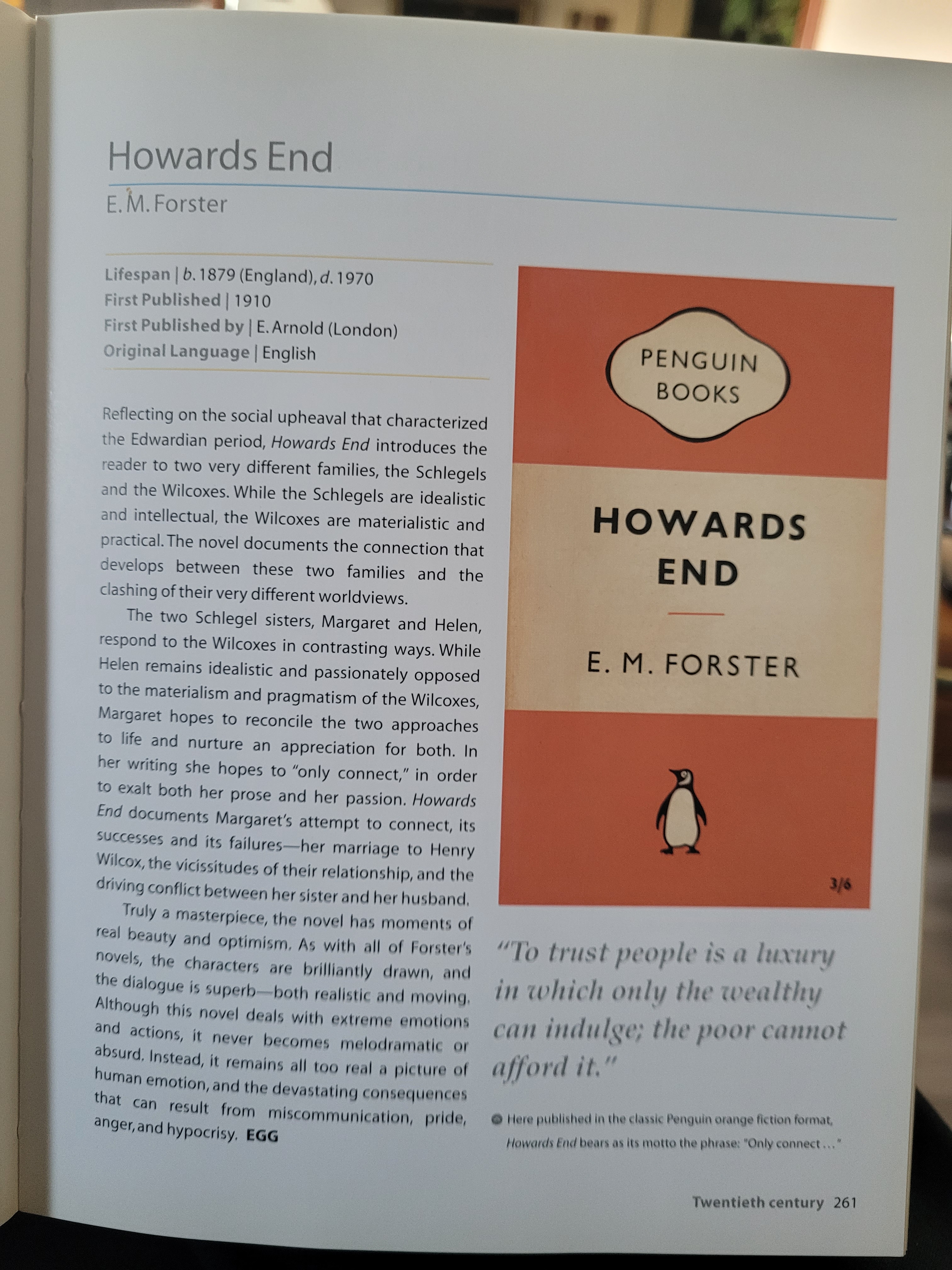
Howards End is #754 on the 1001 Books You Must Read Before You Die list. See the whole list and my progress here. This summer, I’m reading from the list for my 20 Books of Summer challenge, and instead of straight reviews, I’m going to compare the 1001 Books write ups with my own impressions.

If you’re my age (an ageing Millennial or a youthful GenXer, depending who you ask) you might have seen that genre of TikTok that points out that the way we thought about the 1960s as teenagers is the way teenagers today think about the 1990s (i.e. as ancient history.) This made me think about the classic lit equivalent: the way we thought about Victorian literature as teens is the way we should think about Edwardian literature today.
The metaphor doesn’t really work, because my microgeneration felt like whatever was going on in the 90s was fresh and new, whereas Victorian and Edwardian literature have only even felt “old”. But the fact remains: when I was a teenager getting into classic lit, books from 100-125 years ago were Victorian, and now books that old are Edwardian. Maybe it’s time to stop obsessing about the Brontës and Dickens and see what those Edwardians were up to*.
Howards End is the perfect place to start, written 113 years ago, navigating feminism, politics, and those newfangled “motors” that were taking over the roads. I enjoyed it thoroughly, though Forster (this is my first) does tend to get a little… off track at times. A lot of random philosophizing when I just wanted to know how the family was going to deal with Helen’s latest scandal.
The 1001 Books write up is on the bland side, so I started flipping through the adjacent pages, to see what else was happening circa 1910. Plenty of fellow modernists like Woolf, Lawrence, and Mann, but also the more traditional John Galsworthy. The write up for The Forsyte Saga (1906) could have applied to Howards End in that it mentions Beauty (with a capital B) and the urge to possess it, and how the family unit can stand in for society. It also calls it a “monument to the Edwardians.”
These books are both great depictions of the last gasps of Victorian-era morals and the emergence of Edwardian concerns. Forster contrasts the artistic Schlegels with the practical Wilcoxes, while Galsworthy gives us Soames Forsyte, representing the pursuit of property and power, while cousin Jolyon and wife Irene represent the pursuit of love and feeling. Galsworthy wanted to “only connect the prose and the passion” as much as Forster did, he just didn’t come up with such an eloquent way of putting it (and sorry, but legally, you have to quote this line in a review of Howards End.)
But they offer a pretty limited view of the lower classes. In both books, artistic, passionate men of a lower class are brought in to cause a commotion among the wealthy characters, and then they (spoiler alert) immediately die. Women of the lower classes are even more incidental – servants or prostitutes, mostly. There’s nothing to connect there. Why don’t we get a prosaic poor person to contrast with the passionate Leonard Bast in Howards End, or with Irene’s lover Philip Bosinney?
After perusing the 1910 era of the 1001 Books, I flipped all the way to the end. #4, On Beauty by Zadie Smith, is a loose retelling of Howards End, and while I read it too long ago to cite the details, I’m pretty sure it addressed the class shortcomings. The write up says it’s a novel about “art, love, race, class, family” which sounds about right. I looked up an ebook preview to see how Smith adapted Forster’s opening chapter that begins “One may as well begin with Helen’s letters to her sister.” (yep, with email transcripts). A reread might be in order.
As for which adaptation is better, please stand by: a DVD of the 1992 Howards End is on hold for me at the library. Don’t hold your breath though, The Forsyte Saga (2002) is one of my favourite historical mini-series ever!
*I do not actually plan to stop obsessing about the Brontës
20 Books of Summer check in and catch up
We’re well past the halfway point, and I’ve read six and reviewed four of my 20 Books of Summer. This is pretty average for me, though I feel like something’s shifted – like I might be coming out of whatever reading slump/brain fog I fell into at the beginning of the pandemic. I’ve read 31 books so far this year, and struggled to get past forty for the whole year in 2020-2022. I’m not sure why I’m on an upward trajectory, as I’m busier now (back in the office part time, kids in activities etc.) and my own health has gone downhill in the last year (maybe it’s ageing, maybe it’s perimenopause) but I’m not going to question it too much.
The challenge is going well: I’ve read some new favourites, built up my 1001 Books tally, and had the distinct pleasure of reading a book that has long been recommended to me by a friend, and loving it.
But this challenge is *really* about reviewing! To catch up and clear the decks, here are some mini-reviews to tide you over until I write a longer one.
Tomb of Sand by Geetanjali Shree, translated by Daisy Rockwell

Apparently there is some DNF discourse going on over on Booktube, and it might have started with this video, but I first came to it in Brian’s video about the dangers of DNFing in which he mentioned Tomb of Sand. He makes the obvious point that a book is more than its first 50 pages or first chapter – it might get better! – as well as the more interesting point that maybe you shouldn’t impose your preconceived notions about a book – maybe it’s supposed to be slow or hard to understand or whatever! Maybe that’s the point! And you’re going to miss the point if you can’t go in with an open mind.
I came close to closing Tomb of Sand several times, and had I not a) paid full price and b) been invested in the International Booker Prize, I probably would have done so after the first 100 or 200 pages. And I wouldn’t have been wrong! This is the rare case where I didn’t get a lot out of an IBP book. But I will say the failure is at least partly mine. Tomb of Sand is written in a stream of consciousness style that reminded me of Ducks, Newburyport, though if Ducks is a 10 on the stream of consciousness scale, Tomb of Sand is maybe a 6. But that consciousness is steeped in a place and culture that was so unfamiliar, I felt like I couldn’t be swept along. I was taken out of it every time I didn’t understand a reference, which was often. So while I agree with Brian that you can’t go into a book with a rigid idea of what you want it to be, and that you should think before DNFing after a few pages, I probably should’ve trusted my gut after 200, 400, hell 600 pages of this one.
The Life of Charlotte Bronte by Elizabeth Gaskell
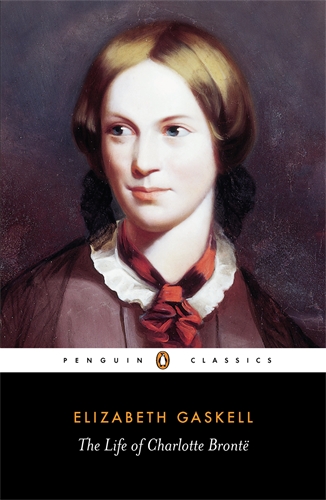
It took me more than twenty years to get through the major works of the Brontës. I hope I can pick up the pace when it comes to the minor, biographical, and critical works. I started here and I’m glad I did. This biography is devastating and intimate. Gaskell is far from an objective observer. She was Charlotte Bronte’s friend and colleague, and was commissioned to write this book by Charlotte’s father. Various introductory texts will tell you how Gaskell suppressed unsavoury aspects of Charlotte’s life, and you can tell she’s being awfully careful in parts. She lets Charlotte speak for the most part, quoting her letters at length, but interjects with extremely evocative descriptions of Charlotte’s world, understanding the time and place in a way no modern biographer can. Gaskell’s selectiveness would probably be framed as dishonesty, but for modern readers of this work, it’s one way we can attempt to understand what it meant to be a woman with ambition and genius in a hostile society, and the compromises those women had to make.
Next up, I am reading the very juicy Howards End. I’m only disappointed that I can’t find the movie adaptation streaming anywhere.
Green Darkness by Anya Seton
This summer, I’m doing the 20 Books of Summer challenge, and instead of straight reviews, I’m going to compare my impressions of books to their write ups in the 1001 Books list (see the whole list and my progress here), or in this case, I’m comparing a regular book to a few listed books.

For a fifty-year-old novel in a genre I rarely read, I was surprised how many connections I made while reading Green Darkness by Anya Seton. These comparisons are mostly unfavourable to Seton, but, I do think this is a fascinating story, both ahead of its time and a throwback, even in 1972.
Green Darkness makes you think it’s about the leisure class in 1960s England, specifically, newlyweds Richard and Celia, who are hosting a motley crew of friends, relatives, and acquaintances at Richard’s ancestral manor house. But that’s just an excuse to explore the past lives of the couple, who are pretty boring in the present day, but were apparently in love at least twice before, once in late-Tudor England and once in ancient times. The bulk of the book tells the tale of Celia the barmaid and her doomed affair with a Benedictine Monk during the reigns of Edward VI, Mary I, and Elizabeth I (and, briefly, Jane). We know from page one that things don’t end well, to put it mildly: Celia ends up being “walled up”, that is, sealed in a tiny room, alive, Cask of Amontillado style. This is based on a maybe-true story of the “walled-up girl” of Ightham Mote.
Despite the lack of a happy ending, to me, this is a romance novel. There are literal ripped bodices, as well as overwrought declarations, trysts in the woods, love potions, and a LOT of sexual frustration. These people are horny as hell, and I tell you, when we finally see some action around page 350, I was a little frustrated too!
I immediately started thinking of other books in the “horny monk” genre, both of which happen to be on the 1001 list: The Monk by Matthew Lewis (#946) and The Name of the Rose by Umberto Eco (#293). Green Darkness is pretty out there, with the whole past lives, reincarnation angle, but doesn’t quite reach the heights (or depths) of drama found in The Monk (both Satan and The Spanish Inquisition make appearances, someone “accidentally” marries a ghost) nor the horniness… I’m pretty sure there are more sex scenes in this 18th century novel. The Name of the Rose is a more compelling mystery, and a better written book, with just a few horny moments, both hetero (Brother Adso and the peasant girl) and homosexual (various monks).
I also have The Nun by Denis Diderot (#944) on deck for 20 Books of Summer, which I imagine is in this vein, though perhaps more sapphic…
Looking beyond monks and the 1001 books, there are also quite a few parallels between this book and the steamy Thornchapel series by Sierra Simone, in which another ragtag group of friends, including a VERY horny priest, repeat the sins of their ancestors in a manor house. It’s got a murder mystery and a strong paranormal element too. Though Simone would never make you wait 350 pages for a sex scene.
Then there’s the historical angle. I’m no expert, but I did have a Tudor phase a few years ago, and the political and social backdrop seemed well-researched. Reading names like Wyatt and Wriothesley put me in mind of Hilary Mantel’s Wolf Hall trilogy, which is unfair, because no one is doing it like her (or, did it – I keep forgetting she’s gone). Green Darkness was never going to deliver a character with the depth of Thomas Cromwell, and Seton’s Wyatts and Wriothesleys are just walk-on parts in Celia and Stephen’s story, not delightful characters in their own rights. Seton created a world where Mantel created a universe – and the fact that Mantel is not represented on any edition of the 1001 Books lists is a gross oversight.
Emma Donoghue is a more apt comparison – she’s known for taking the kernel of a historical fact and running with it, like in Slammerkin, where the real story of a teenage servant girl who murdered her employer in 18th century Wales was woven into a story about greed and lust in London. The walled-up girl of Ightham Mote is just as good a starting point – even if it is probably a myth.
Green Darkness doesn’t quite measure up to most of these classics, however, it’s pretty impressive that it balances so many elements and genres: paranormal, historical, suspense, and romance. The prose style reads like a throwback, but the genre-shifting and subversion of (some) romance tropes makes it feel pretty modern.
As for how its aged in the fifty years since it topped the bestseller list: there’s a surprising amount of gay and bisexual representation (and at one point I wondered if Celia and her friend Magdalen, the future Viscountess Montagu, were going to have a lesbian romance – Emma Donoghue, please write that story!). There’s also a surprising number of racial slurs thrown around in the contemporary sections. Modern readers also might be a bit dubious about a 27-year-old monk’s desire for a 14-year-old girl in the beginning of the story, but remember, it’s a slow burn; several years pass and she’s a widow by the time anything too crazy happens!
I’m only left wondering two things: was there really a walled-up girl at Ightham Mote, and what does the “green darkness” in the title refer to? Google is unhelpful on both accounts.
The Blind Assassin by Margaret Atwood
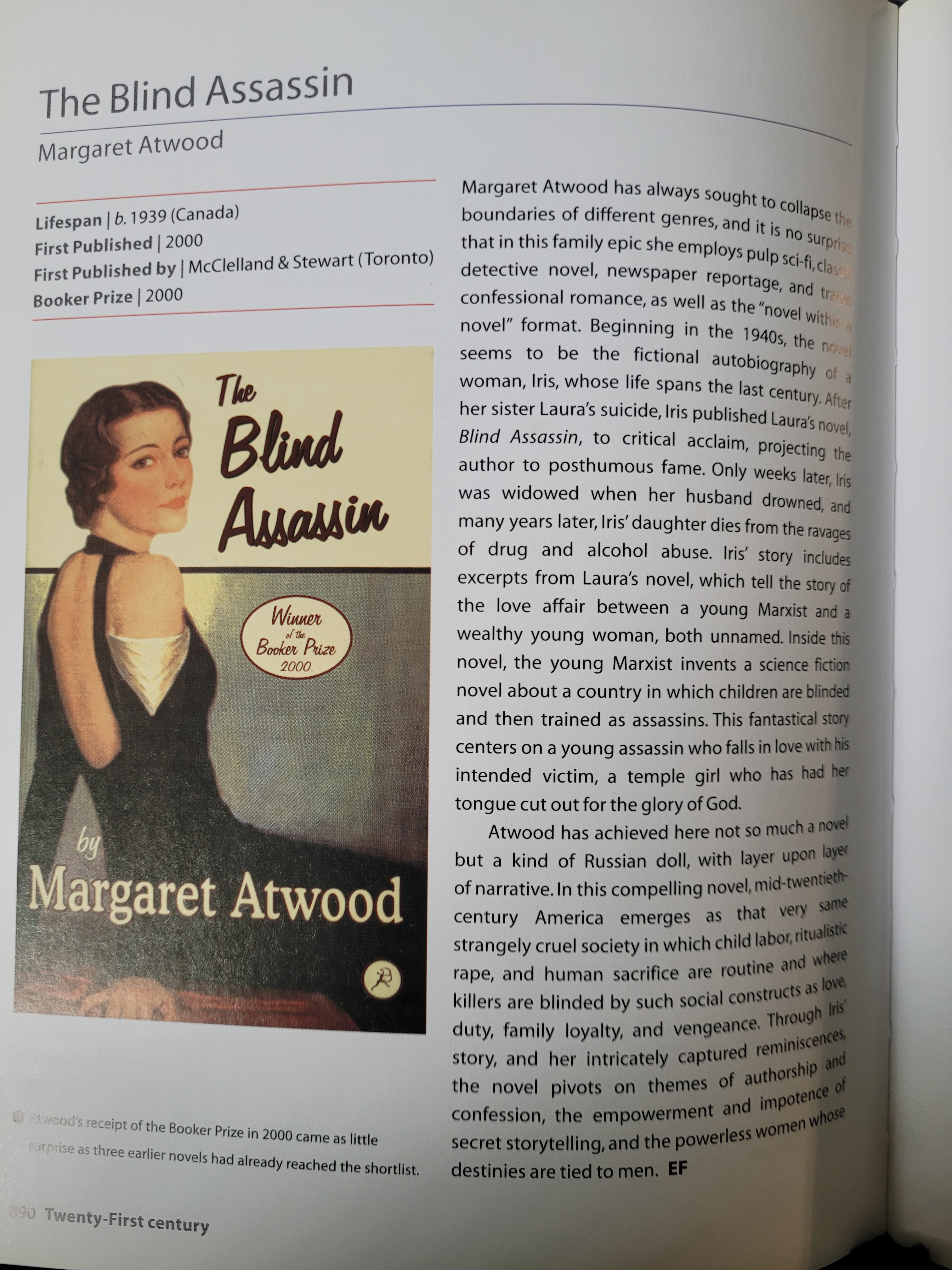
The Blind Assassin is #63 on the 1001 Books You Must Read Before You Die list. See the whole list and my progress here. This summer, I’m reading from the list for my 20 Books of Summer challenge, and instead of straight reviews, I’m going to compare the 1001 Books write ups with my own impressions – or in this case, I’m going to get angry about a contemporary review! The 1001 Books write up is fine and not that interesting.

It goes without saying that Goodread reviews are suspect. Where can a reader go for a trustworthy, competent review these days? Not the New York Times, apparently! After reading the fairly standard 1001 Books write up, I thought I’d look for something a little juicier, and I was shocked to find a blatant misreading of The Blind Assassin committed to print on the book’s publication date.
It’s difficult to describe what this review got wrong without going deep into the plot, and this is a deep plot, as in, layered. In my last 20 Books review, I talked about frame stories. This one has got frames on frames on frames. The main character is not only telling two stories at once, of her present-day life as an elderly woman, and of her childhood through young adulthood, but also the story of her younger sister, who attained cult status after her novel, also called The Blind Assassin, was published posthumously. Passages from that novel are interspersed into the narrative, and that novel has its own story-within-a-story. Oh, and there are newspaper clippings here and there, adding an extra “here’s what it looked like from the outside” layer. And of course, all the characters are hiding things, and are generally unreliable.
I hope *I* got all that right. But the NYT reviewer absolutely missed a major plot point. My best guess is that he took what the (clearly unreliable) narrator writes about the novel within the novel at face value, and either didn’t read the end, or skimmed it, and so never came to the (clearly signalled) revelation that I and other attentive readers did.
This oversight makes the reviewer’s subjective assertions, e.g. that characters are “flat as a pancake”, or that the reader’s first impressions of them are “not so much lasting as total”, or that a particular character is a “cardboard villain” extremely suspect. The narrator comments on the villainous presentation of her husband, and why she does it, and that’s just a minor example. When the reviewer goes on to complain that narrator’s “sourness” seems more “adolescent than geriatric” I wanted to shake him. YES, that is THE POINT, she is NOT DONE WITH THE PAST, she is STILL THE YOUNG WOMAN WHO… oh, you don’t even know which young woman she was!
I’m unable to find a direct quote, but Atwood either “said” she was amused or “seemed” amused by all of this, depending on the source. Would that all authors were so serene. Anything more than an “amused” reaction to a bad review, even a bad review that is clearly a misread of the book, is either going to backfire, or create a hot take cycle. Easy for Atwood to say, I guess, in the year 2000, where the majority of people reading that review were doing so on soon-to-be-recycled newsprint and book blogs were in their infancy, let alone Goodreads. She was also a four-time booker nominee (and soon to be a winner). But I suggest that even small, debut authors should take note. Don’t rise to it.
Or better yet, authors and readers alike should get off Goodreads entirely until we can figure out what the hell is going on. And go to a reliable source about books like… uh… BookTok?
Reading Roundup: Winter/Spring 2022

Inspired by this existential blogging crisis and wrap up by Volatile Rune.
I knew it’d been a few years since I did any kind of wrap up or roundup, outside of a year-end post. I did not think it’d been since 2013! I’m going to try to follow my old format and see what happens, and cover the last few months.
Book events
Few and far between recently, but I am signed up for a event for The Books of Jacob next week, hosted by Portland State University, which will include translator Jennifer Croft and other luminaries. I have 836 pages to go (the pages are numbered in reverse, so I can say that with confidence), and I’m loving it so far.
Blog events
I am not as tuned in as I was nine years ago, but there are a few things happening:
- 20 Books of Summer 2022 announcement is up!
- Understanding Ukraine is running for the next few months and can be broadly interpreted to include any books that deepen understanding of Ukraine past and present.
- Ready Envy is well into her year-long Russian reading project. She struggled with if, or how, to continue after war broke out, but I’m glad she’s going ahead.
- The International Booker Prize Shadow Panel is in full swing.
Books read
Some highlights. Someone recently asked me what kind of books I like, and the first thing that came to mind was “weird Japanese short fiction”:
- Convenience Store Woman and Earthlings by Sayaka Murata, tr. Ginny Tapley Takemori. I read these with my sister, and the sharp turn from quirky to unsettling, both within each story and between the two books, was a lot to take! She’s got a short story collection coming out in July, I wonder if I can convince Cait to go for the trifecta…
- Heaven by Mieko Kawakami, tr. Sam Bett and David Boyd. I normally don’t like it when an author inserts long philosophical meanderings, masquerading as dialog… (remembers that I like Dostoyevsky)… okay maybe I do like it.
I hate to call stories set in the late 20th century “historical fiction” but these sure evoke the era:
- Daisy Jones and the Six by Taylor Jenkins Reid (70s). Great fun while you’re reading, but on a moment’s reflection, full of cliches and plot holes.
- The Secret History by Donna Tartt (80s). I liked it, but was expecting something more? It really reads like a debut, which, fair enough! I may have been spoiled by accidentally reading an erotic fanfic first.
- Larry’s Party by Carol Shields. A trip through the 70s, 80s, and 90s with an every-man who’s very into mazes and metaphors.
I absolutely needed to read short stories in between the interminable Gargantua and Pantagruel:
- Filthy Animals by Brandon Taylor. For me, a big improvement on the super-hyped Real Life, it felt more assured.
- Hateship, Friendship, Courtship, Loveship, Marriage by Alice Munro, you know how I feel about that one.
- Homesickness by Colin Barrett. Like Taylor, I think Barrett made a leap forward in his style, and he was already a genius-level writer so… yeah.
Books I want to read and a pre-announcement if you made it this far
I keep a “TBR not owned” list in my books spreadsheet (I have long quit Goodreads) and have added 14 books so far this year, most recently Bad Dreams by Tess Hadley, based on this review.
But the book I’m really thinking about right now is The Brothers Karamazov. I think it’s time, and may resurrect the Reading in Bed Summer Read-along to do it. I’ve read seven Dostoyevsky novels over the years, loved them all, and this is the only of his major works I haven’t read. And it checks all the read-along boxes (on the 1,001 Books list, near one thousand pages, seems wildly inappropriate for summer reading). Feel free to express your interest below and watch this space!
Novellas in November 2021 TBR & Research Round Up
The best part of Novellas in November is the research. Once you start looking, there are <200 page books all over the place, just waiting for the appropriate alliterative month to begin! Here’s a round up of my 2021 discoveries and ambitious TBR.
The official buddy reads
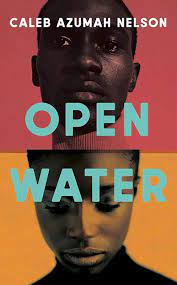
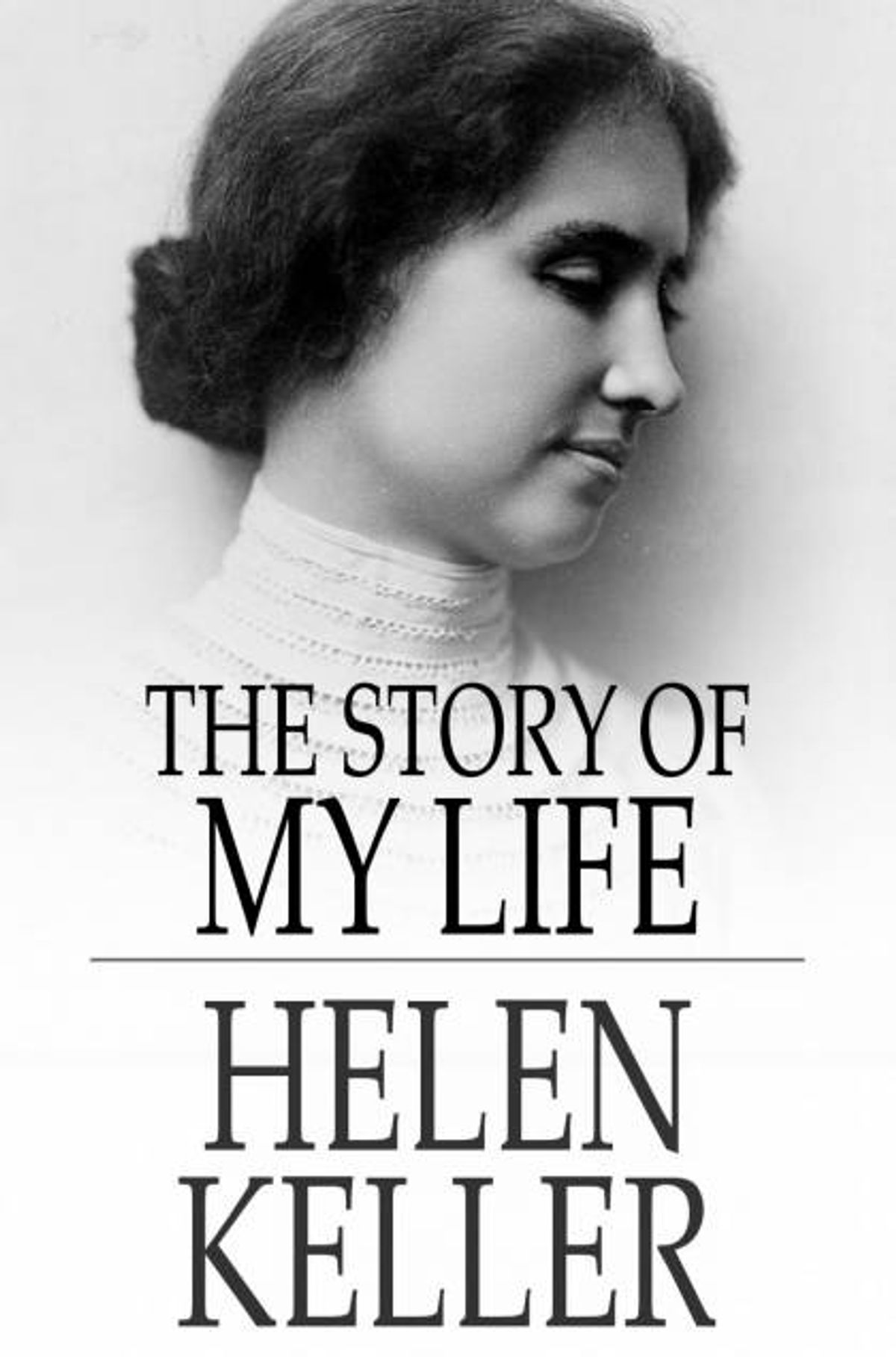
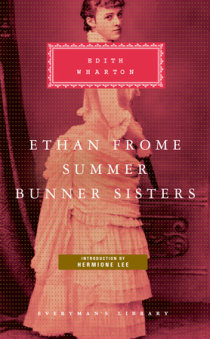
Cathy and Rebecca have included weekly buddy reads in this year’s event, and since all four books were easily procured for no cost (library and Project Gutenberg), I’m going to try and keep up.
- Week one is a contemporary novella, Open Water by Caleb Azumah Nelson. I’ve seen this book everywhere, and it got a glowing review from Rachel, so I’m in.
- Week two is a work of short nonfiction, The Story of My Life by Helen Keller. I was obsessed with Helen Keller for a while in elementary school and look forward to revisiting.
- Week three is a novella in translation, Territory of Light by Yuko Tsushima, translated by Geraldine Harcourt. I’ve had good luck with Japanese novellas in the past.
- Week four is a classic novella, Ethan Frome by Edith Wharton. I *think* I’ve read it (it’s crossed off in my 1,001 Books page, anyway) but I can’t remember much and seems due for a reread.
The books in my library
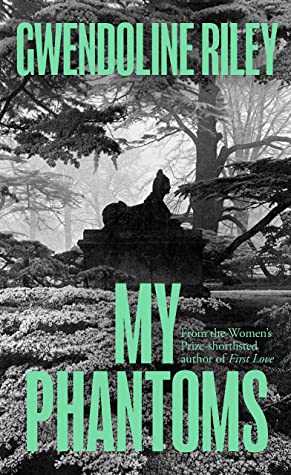
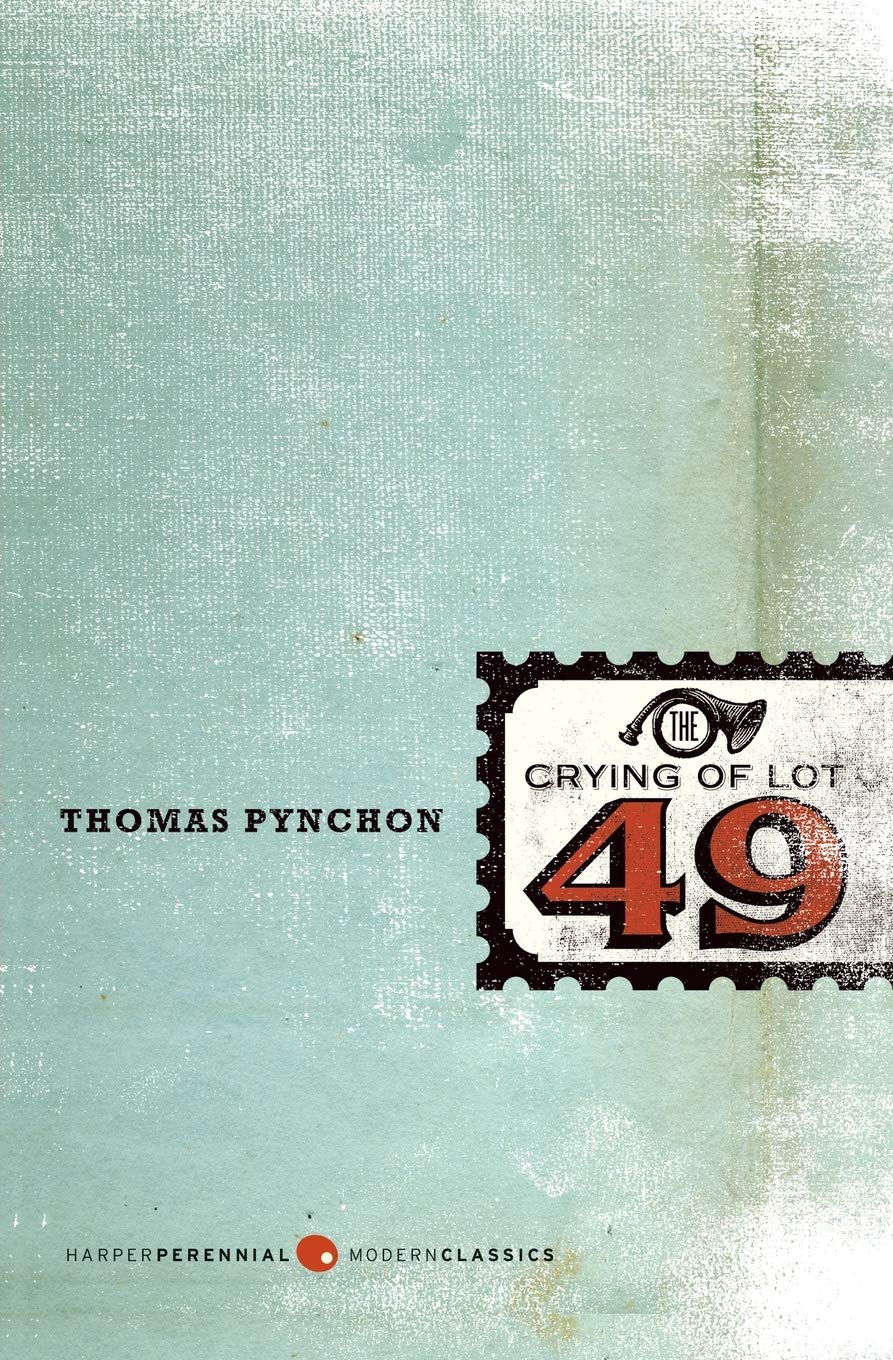
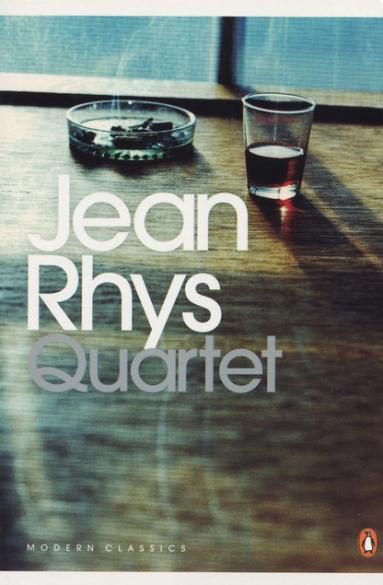
Unread novellas from #NovNovs past and recent additions.
- My Phantoms by Gwendoline Riley is 199 pages exactly and arrived last week. It’s a sign.
- The Crying of Lot 49 by Thomas Pynchon, a leftover from this year’s 20 Books of Summer
- Quartet by Jean Rhys, ditto.
- And on loan from the library, Like a Mule Bringing Ice Cream to the Sun by Sarah Ladipo Manyika, recommended by Caribbean Girl Reading the World.
The discoveries
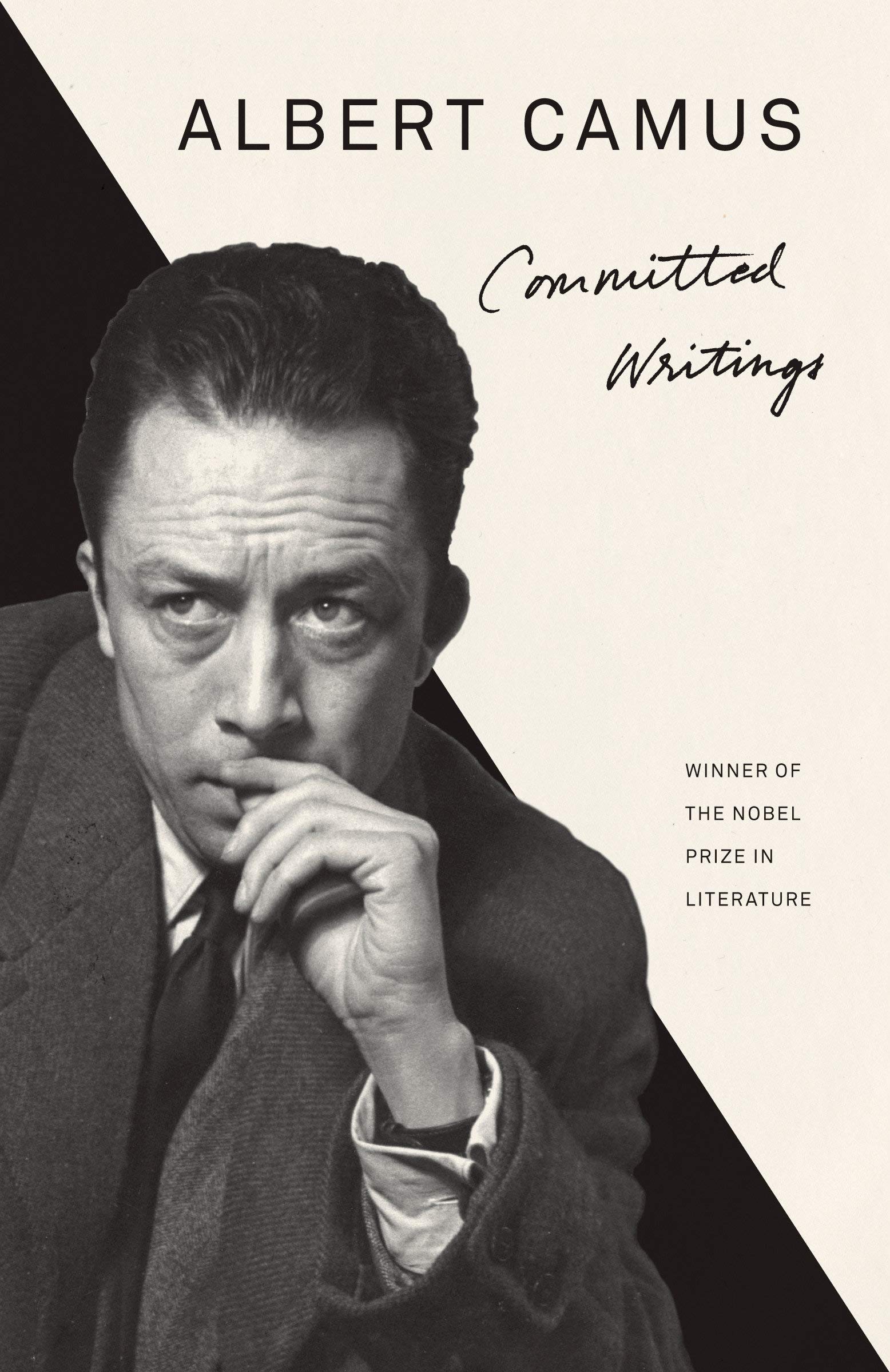
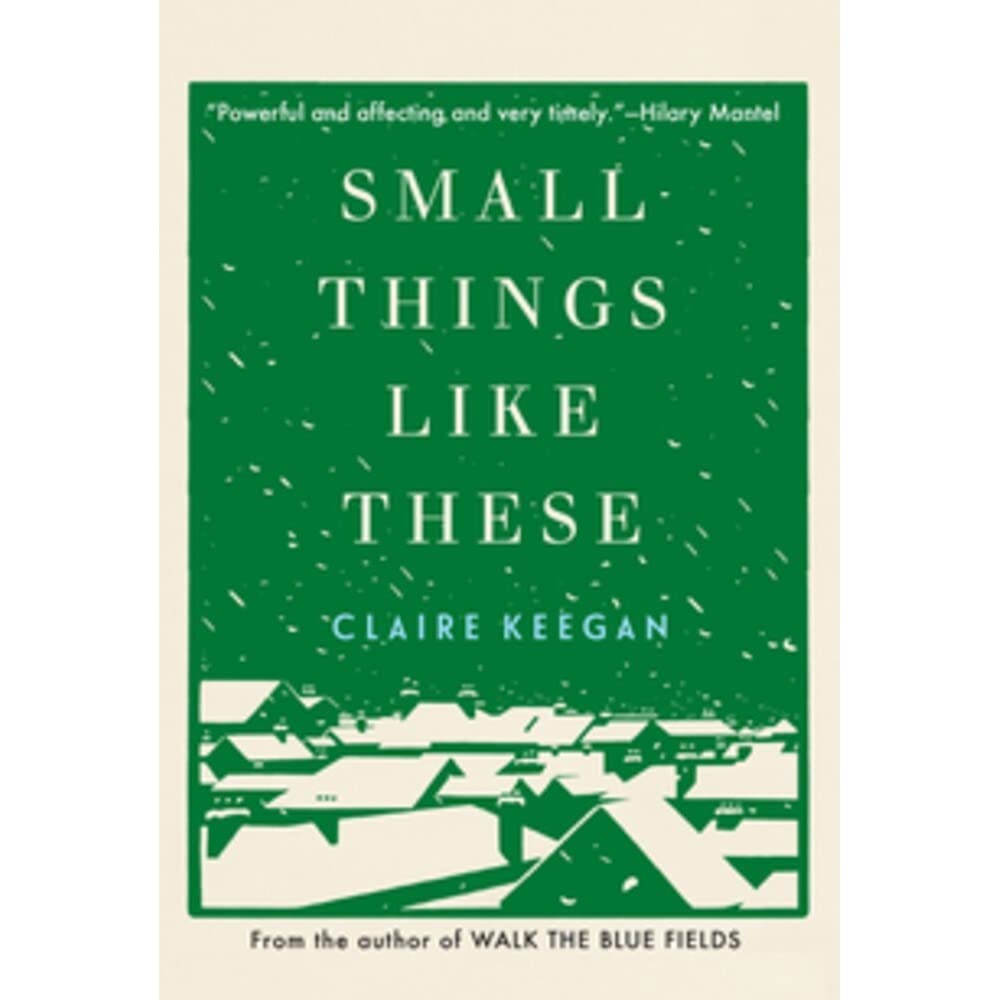
The novellas that have crossed my path leading up to #NovNov. Will I get to any of these? Almost certainly not. But maybe… in time…
- Committed Writings by Albert Camus is a perfect nonfiction novella combo, a collection of speeches and letters, and sounds fascinating. Reviewed by Brona.
- The Fish Girl by Mirandi Riwoe won a novella prize, and is in the tradition of Wide Sargasso Sea (another solid #NovNov pick), in that it takes a side character from a classic novel and gives her new life. Reviewed by ANZ Litlovers.
- Small Things Like These by Claire Keegan, profiled in The Guardian.
- A wide selection of novellas by women in translation, selected by Naty.
 Reading in Bed