Tagged: Novellas in November
Novellas in November 2021 TBR & Research Round Up
The best part of Novellas in November is the research. Once you start looking, there are <200 page books all over the place, just waiting for the appropriate alliterative month to begin! Here’s a round up of my 2021 discoveries and ambitious TBR.
The official buddy reads
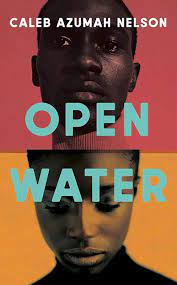
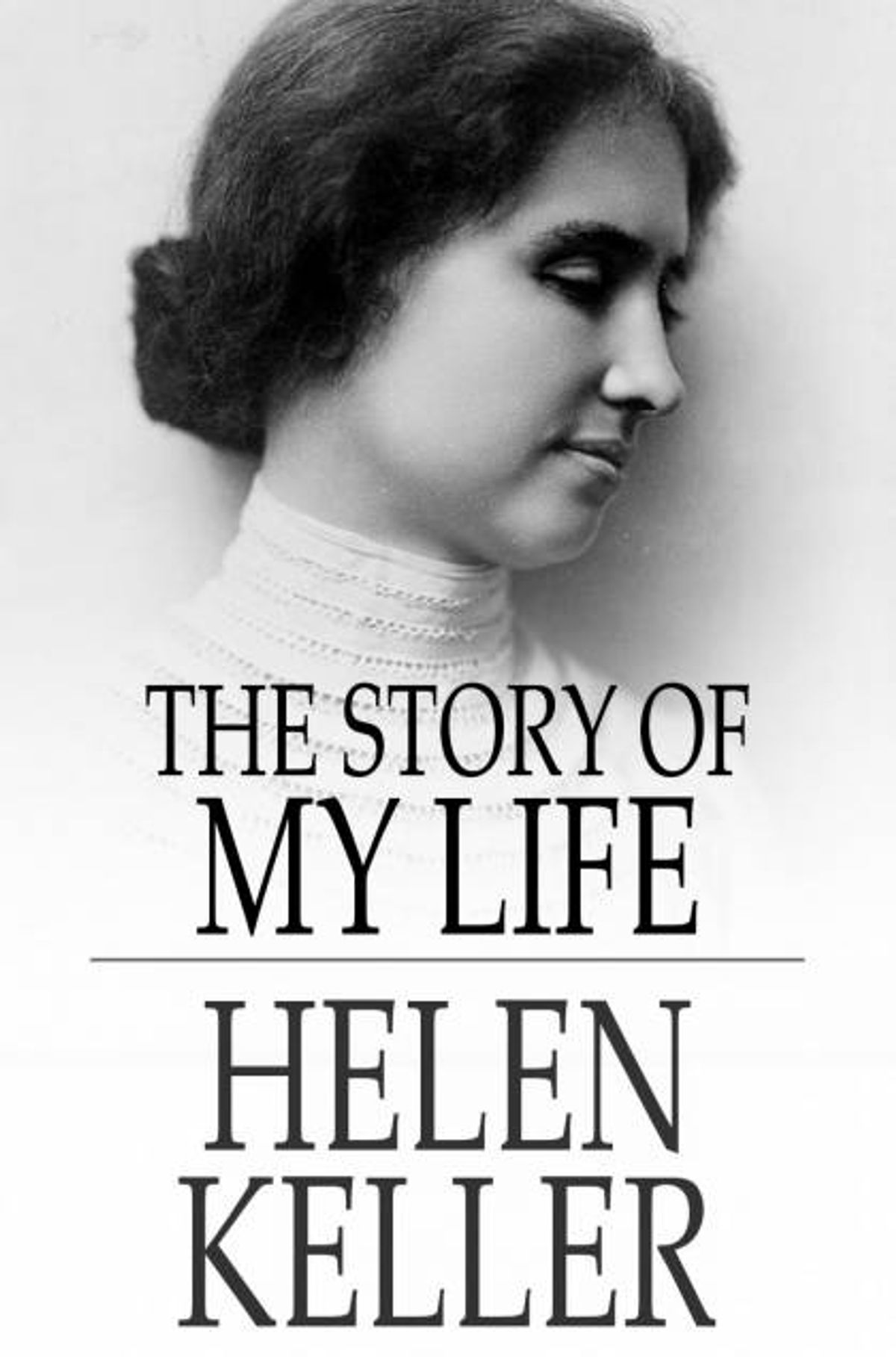
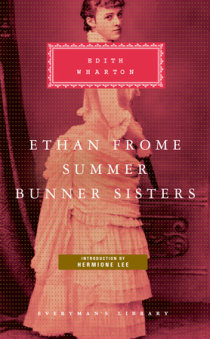
Cathy and Rebecca have included weekly buddy reads in this year’s event, and since all four books were easily procured for no cost (library and Project Gutenberg), I’m going to try and keep up.
- Week one is a contemporary novella, Open Water by Caleb Azumah Nelson. I’ve seen this book everywhere, and it got a glowing review from Rachel, so I’m in.
- Week two is a work of short nonfiction, The Story of My Life by Helen Keller. I was obsessed with Helen Keller for a while in elementary school and look forward to revisiting.
- Week three is a novella in translation, Territory of Light by Yuko Tsushima, translated by Geraldine Harcourt. I’ve had good luck with Japanese novellas in the past.
- Week four is a classic novella, Ethan Frome by Edith Wharton. I *think* I’ve read it (it’s crossed off in my 1,001 Books page, anyway) but I can’t remember much and seems due for a reread.
The books in my library
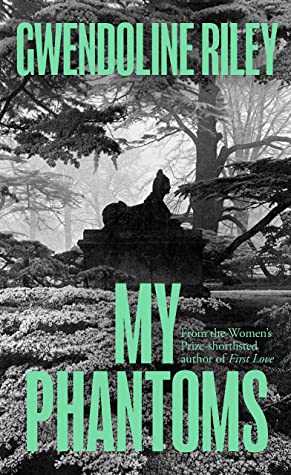
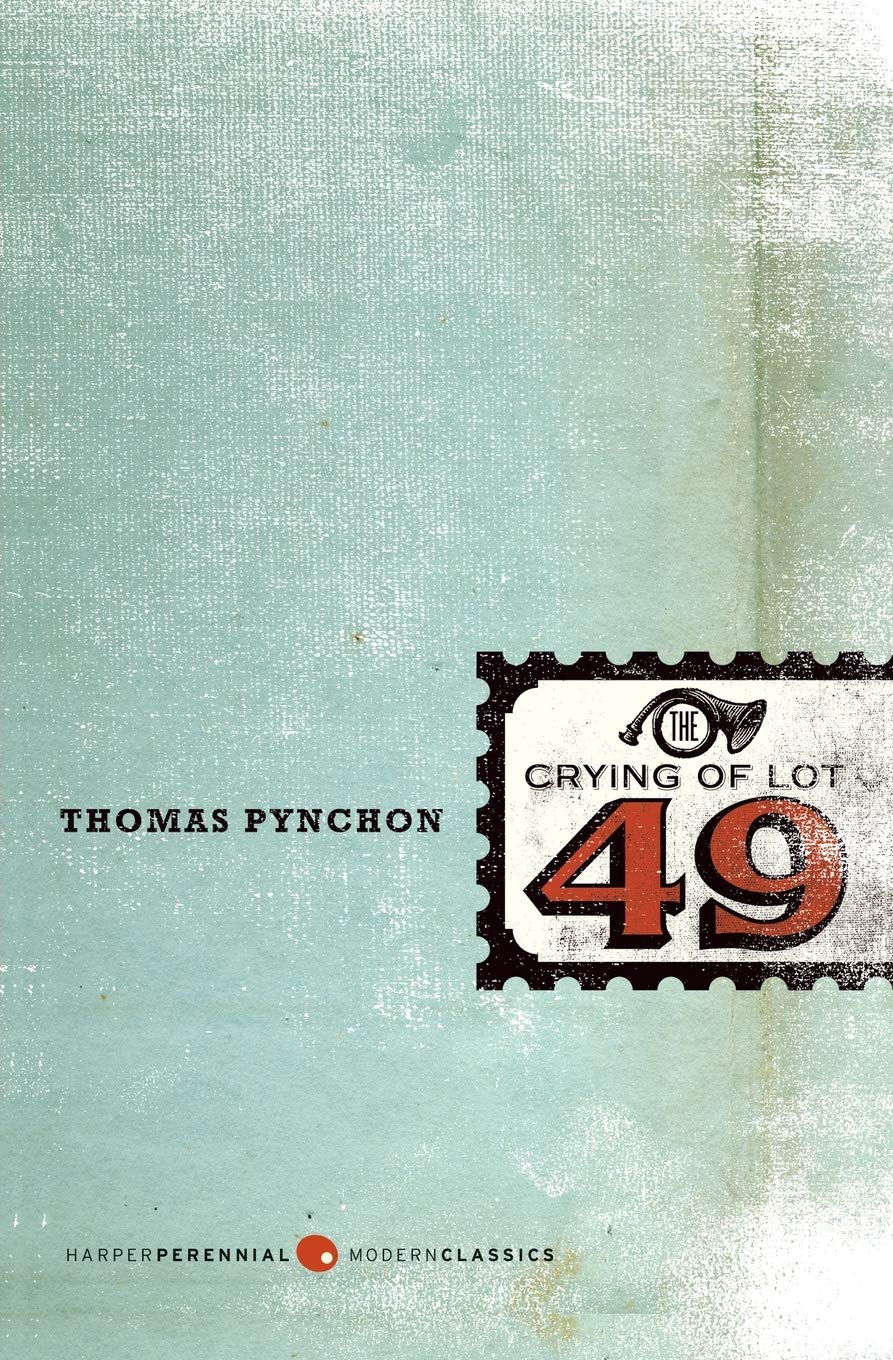
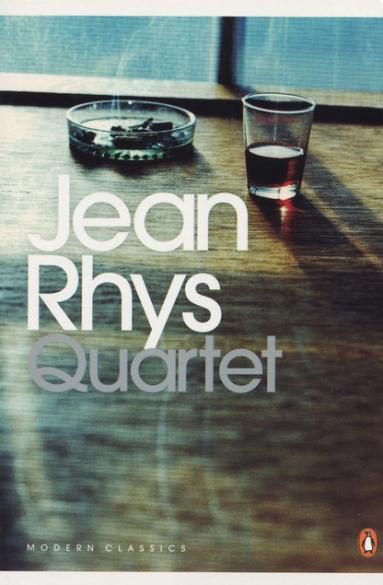
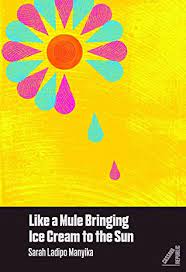
Unread novellas from #NovNovs past and recent additions.
- My Phantoms by Gwendoline Riley is 199 pages exactly and arrived last week. It’s a sign.
- The Crying of Lot 49 by Thomas Pynchon, a leftover from this year’s 20 Books of Summer
- Quartet by Jean Rhys, ditto.
- And on loan from the library, Like a Mule Bringing Ice Cream to the Sun by Sarah Ladipo Manyika, recommended by Caribbean Girl Reading the World.
The discoveries
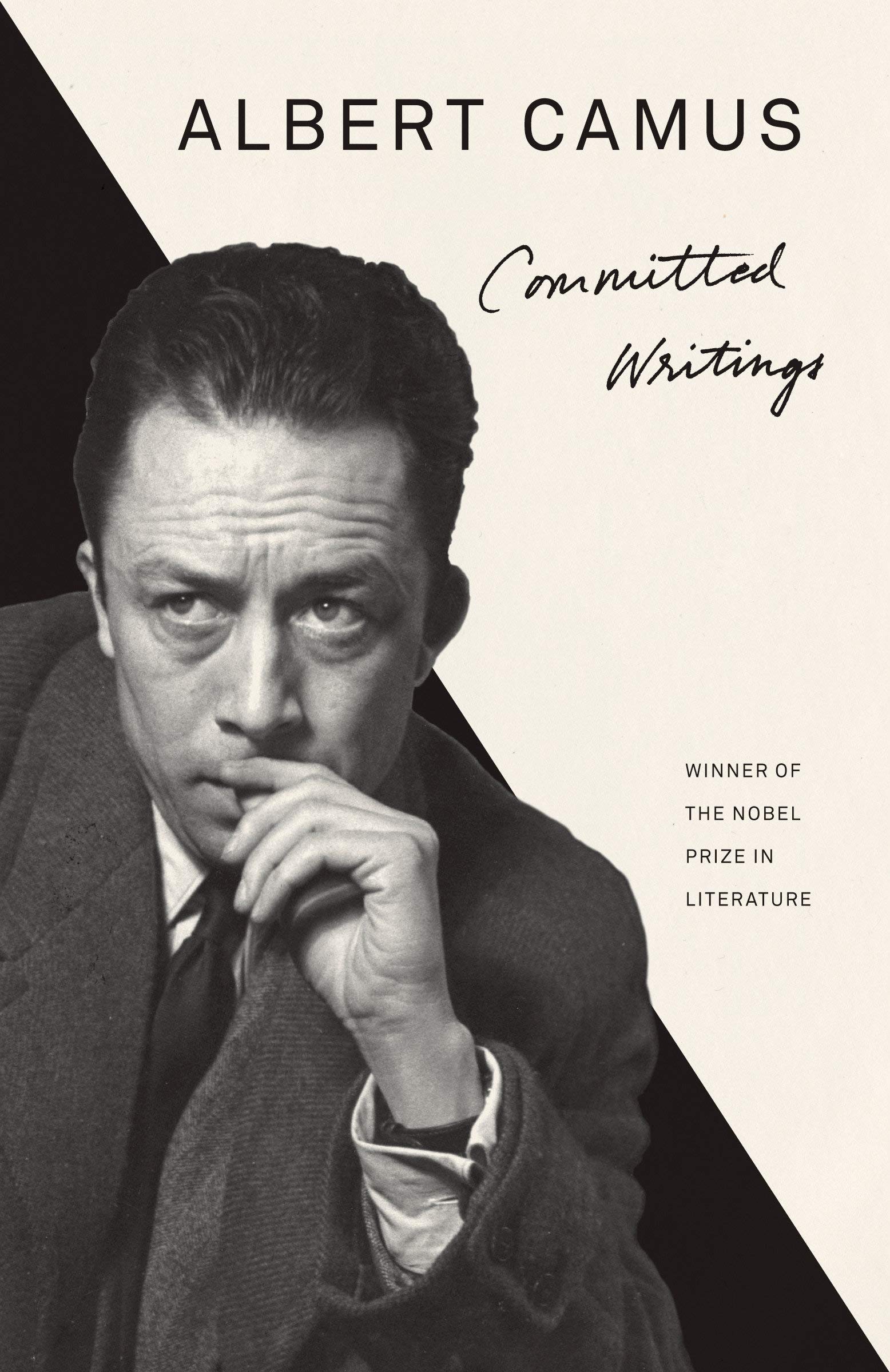
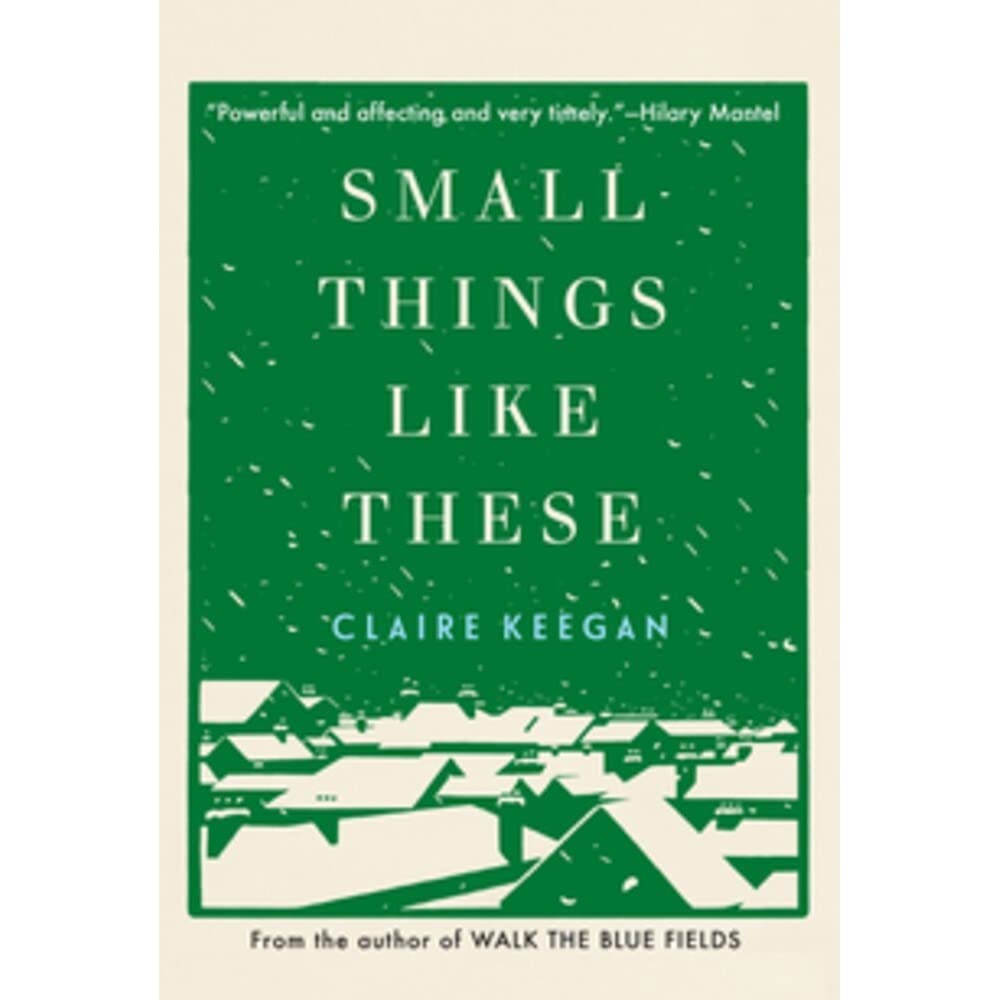
The novellas that have crossed my path leading up to #NovNov. Will I get to any of these? Almost certainly not. But maybe… in time…
- Committed Writings by Albert Camus is a perfect nonfiction novella combo, a collection of speeches and letters, and sounds fascinating. Reviewed by Brona.
- The Fish Girl by Mirandi Riwoe won a novella prize, and is in the tradition of Wide Sargasso Sea (another solid #NovNov pick), in that it takes a side character from a classic novel and gives her new life. Reviewed by ANZ Litlovers.
- Small Things Like These by Claire Keegan, profiled in The Guardian.
- A wide selection of novellas by women in translation, selected by Naty.
I’m still participating in book blog events ft. Nonfiction November and Novellas in November
My favourite part of blogging has got to be the events. I love hosting a good read-along, but I don’t have the energy right now. So I’ve decided to throw myself into some events hosted by other, more ambitious bloggers.

Nonfiction November
I’ve never participated in Nonfiction November, despite nonfiction making up a significant portion of my reading (about a third of the books I’ve read in 2021, up from about a quarter in 2020 and 2019). It’s time to correct this gross oversight.
Nonfiction November has been running for many years. Returning hosts Doing Dewey and What’s Nonfiction are joined by newcomers The Thousand Book Project (sounds like we’d get along), Plucked From the Stacks, and The OC Book Girl.
You know I love to dive into book blog lore, and I see someone already tried to piece together the origins of Nonfiction November, tracing it back to 2013 and two defunct book blogs (the sad part of looking into book blog history is how many blogs are abandoned… or in this case, one of them redirects to a porn site, beware!). I also found a podcast where the current hosts reminisce about the origins of this event.
As for me? I’m trying to go all in, which means blogging about each of the weekly prompts, starting with a fairly easy one about your year in nonfic so far. I’m most looking forward to “be the expert” week, where I will choose between my expertise in tech pessimism (finishing up The Ugly Truth as we speak), and Jonathan Franzen’s nonfiction, which I should complete at some point during the month (just his most obscure work, The Kraus Project, to go!)
Novellas in November
This one should need no introduction – I did a whole post on the history of my beloved #NovNov and despite appearances, I’ve never hosted, just participated enthusiastically. Which I hope to do again. Capable hosts Bookish Beck and Cathy of 746 Books have not only created weekly themes, but will host read-alongs for each – this might be too much for me and my pandemic-addled brain to keep up with, but on the other hand, it saves me the trouble of choosing books. Territory of Light has been on my radar… and I can’t quite remember if I’ve read Ethan Frome.
Depending how this goes, I might see what’s happening for December as well, anyone organizing anything?
Novellas in November 2019 Round Up #1
Halfway through #NovNov ’19, I don’t have as much to show for it as in previous years. Blame it on the Ducks. It has been an eclectic reading month so far, with a dud, a local success, a backlash, and a reading hangover that has me reaching for nonfiction to clear my head.

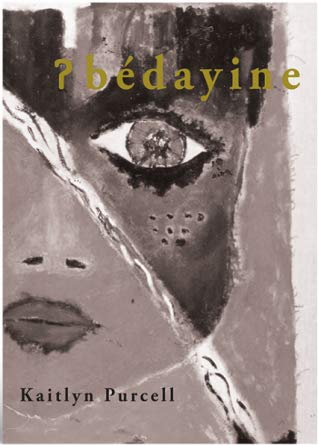


Novellas in November 2019: a novella for every occasion
With Novellas in November mere days away, it’s been brought to my attention that there are people who intend to read things other than novellas next month. And other people might get distracted by book prizes. The good news is that there’s a novella for just about every occasion. Here are some suggestions if you insist on participating in other types of reading in November.
Continue readingNovellas in November 2018 Round Up #2
And wrap up, because it’s over!
Novellas read: 13
Goodreads Challenge: momentarily caught up, already behind again
Five-star reads: 2
Since my last update, I read eight more novellas. In the spirit of #NovNov, here they are, very briefly reviewed:


The Fire Next Time by James Baldwin
I thought this was a book about race, but it’s really about the relationship between religion and race and America, all in about 100 pages. Continue reading
Novellas in November 2018 Round Up #1
I’m back in the saddle and my Goodreads challenge is officially ON NOTICE:

I haven’t been within three books in a while!
We are not quite halfway though #NovNov and I’ve read five novellas totaling approximately 700 pages. In other words, over five books, I’ve read nowhere near the equivalent of this year’s summer read-along, The Count of Monte Cristo. I think I got more out of these pages, though. Read on for appropriately brief reviews, also coming soon to Booktube.


Split Tooth by Tanya Tagaq
Goodreads says this has 208 pages, but it doesn’t. It has 180 some and that’s including several illustrations and half-blank pages of verse. Split Tooth is a novel in the sense that Flights by Olga Tokarczuk is, in that it’s fragmentary, or like Han Kang’s The White Book is, in that it’s really poetry, and definitely reminds me of Freshwater by Akwaeke Emezi, in that as much as it’s a coming of age story, and universal, it’s nearly impossible to separate the art from the author here, and you wouldn’t want to. I’ve been advised that the audio book is essential, and when the book is read by the author, and the author is a Polaris Music Prize winning Inuit throat singer who’s collaborated with Buffy Sainte-Marie and Bjork, that almost goes without saying.
I’m also pretty sure this will be the best book I read in which a woman has carnal relations with the northern lights. Continue reading
A brief history of Novellas in November
“Novellas in November” was conceived of by Rick of Another Book Blog five years ago, in 2013. His original post is lost to the mists of defunct WordPress blogs, but you can read mine here. Over the years, others came along for the ride, notably our fellow Canadian book bloggers Naomi at Consumed by Ink and CJ at ebookclassics. I have probably been the most consistent participant, but I wasn’t really a host.
People have been asking (okay… one person asked and it was Novellas in November alum Rebecca) about the history of this event, and while I maintain that it has been sustained these past five years by the sheer power of alliteration, there is just a little more to it than that.
circa 2015
Rick wasn’t *quite* the first to pick up a novella in November. I can trace a “Novella November” challenge as far back as 2009. A blog called “Bibliofreak” seems to be the source, but it doesn’t exist anymore. Some past participants in this iteration include noted blogger, podcaster, Booktuber and Man Booker Prize correspondent Simon Savidge, new-to-me Lizzy’s Literary Life, and blogs I used to read, like Things Mean A Lot and Fleur in Her World. Continue reading
Novellas in November 2015: Wrap up
I’ve been posting daily videos for The Short Story Advent Calendar, and enjoying it so much that I made a video for Novellas in November. Check it out:
I read five novellas during the month. Here they are, in very particular order:
- The Days of Abandonment by Elena Ferrente
- Grandma Nineteen and the Soviet’s Secret by Ondjaki
- Death in Venice by Thomas Mann
- Blue Skies by Evelyn Lau
- The Strange Library by Haruki Murakami
Check out some other bloggers doing Novellas in November, some of whom even posted updates during the month!
The Book a Week Project
Ebookclassics
746 Books
Poppy Peacocks
And please do subscribe and like and all that on YouTube, so my children stop making fun of my stats.
Novellas in November 2015
Welcome back to the third edition of Novellas in November!
This event is so special to me, I stopped doing all other blog events. This year is super-special, because event creator The Book-A-Week Project is back, and is calling himself The Book-A-Week Project again.
How under appreciated are novellas? Well, how many times have you heard Garth Risk Hallberg’s City on Fire referred to as his (900+ page) debut? Turns out, he wrote a novella back in 2008! No, I am not going to read it, as I already devoted weeks of my life to CoF, but you see: novellas get no respect.
It’s not all bad news. Giller Prize shortlisted Fifteen Dogs qualifies at 171 pages (and it’s freaking awesome,) and there are a couple of short story collections on there too – or baby novellas, as I like to call them.
Novellas are a great way to sample a genre or author you wouldn’t usually read, not to mention they’ll kickstart that Goodreads challenge as we approach year end. Wanna novella with us? See below for inspiration, follow me and #NovNov on Twitter, and let us know what you’re reading.
My 2015 novellas
- Ghosts by Cesar Aira (139 pages) Noted novella connoisseur Michael Hingston recommended this to me. I trust his recommendation so much that I dropped $14 on the ebook, which is a little hard to swallow for the length. It is creepy as hell so far.
- Bartleby & Co. by Enrique Vila-Matas (178 pages) Based on this intriguing review by JacquiWine.
- The Poor Clare by Elizabth Gaskell (60 pages) Because I wanted a super-shorty and because it’s Elizabeth Gaskell.
- The Strange Library by Haruki Murakami (96 pages) Is this a novella? I don’t know. But it’s been on my shelf for a year or so.
- The Crying of Lot 49 by Thomas Pynchon (183) Because novellas are short, not easy.
- Cheerful Weather for the Wedding by Julia Strachey (119 pages) So I can watch the adaptation.
- Every Day Is For The Thief by Teju Cole(128 pages) Another one that’s been on the shelf far too long.
More novella TBR inspiration
- Check out my Goodreads Novellas in November shelf
- My 2013 novellas
- My 2014 novellas
- The Wandering Bibliophile’s posts from last year’s event
- The Book-A-Week Project’s intro post
You know what I’m missing? CanLit. Where my Canadian novellas at?
Novellas in November 2014 Update #2: Santa Rosa, North East, Bartleby the Scrivener
Fuckin’ A.
Check out my introductory post here, and follow along with participants The Wandering Bibliophile and Write Reads.
Santa Rosa and North East by Wendy McGrath
My rating: 2.5/5 stars
Goodreads
I’m new to verse novels and I don’t think they’re my thing. I enjoyed Karma by Cathy Ostlere, which was very structured and straightforward, but I struggle with books like these, or, like Corey Greathouse’s Another Name of Autumn, which tend more towards stream of consciousness. Kind of verse, kind of not. I can’t find the right pace for reading and I lose track of the story.
The subject matter, and the characters, and the setting, are all of interest to me. In Santa Rosa and North East, we witness the crumbling of a marriage and an Edmonton neighbourhood through the eyes of a five year old. Child narrators are tricky. At times Christine seemed too savvy for her age, too empathetic maybe. I can’t help but compare to my own five year old. Maybe there are depths to him that I don’t see yet.
There is a third book coming, to complete the trilogy. I will probably read it, as the story is compelling enough that I want to find out what happens to Christine (I already know what happens to Santa Rosa; the neighbourhood isn’t there anymore.) I found North East a smoother read than the first, so maybe I’ll hit my stride at last.
Bartleby the Scrivener by Herman Melville
My rating: 5/5 stars
Goodreads
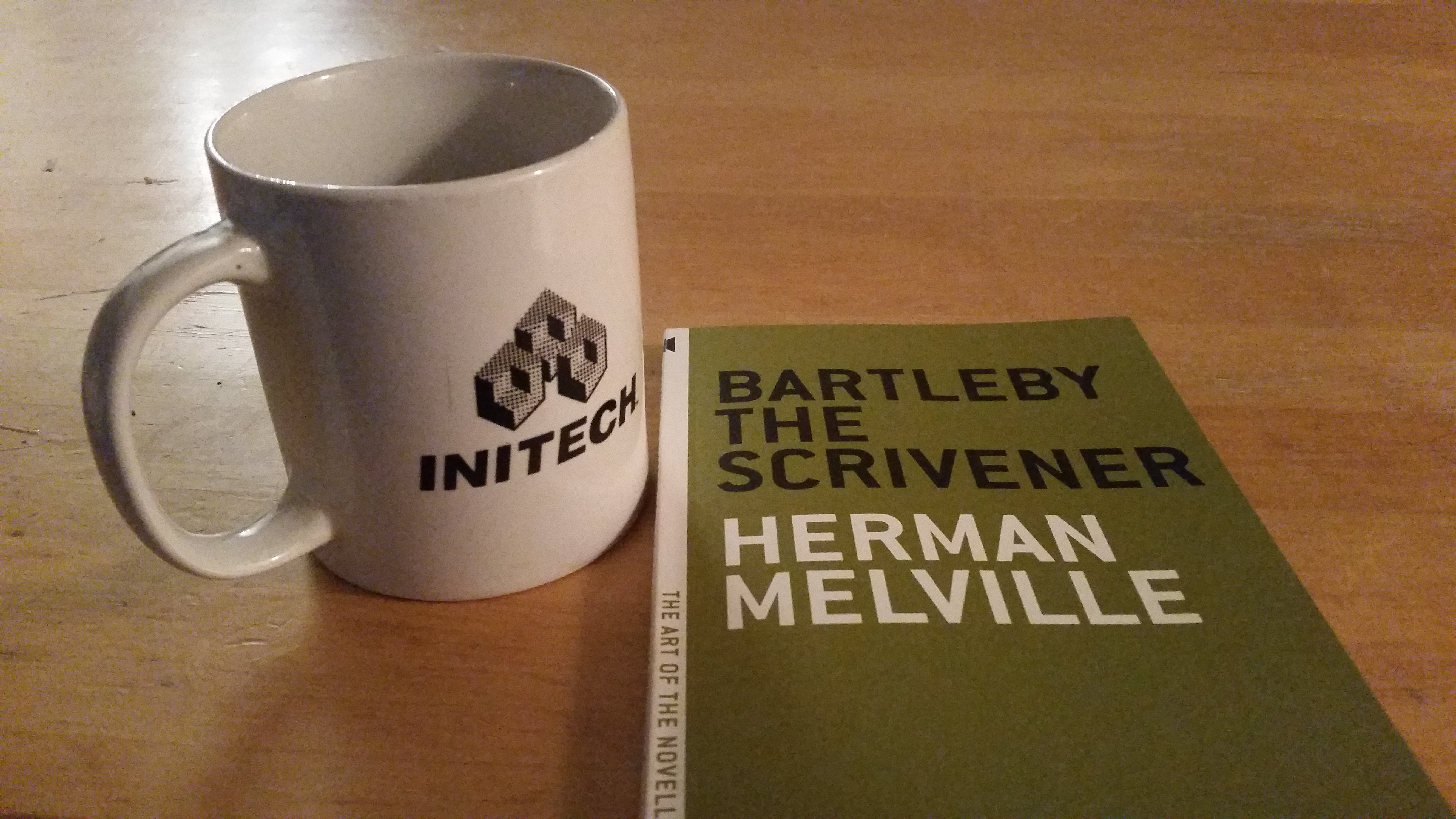
Hypothesis: Bartleby the Scrivener is the inspiration for the classic 1999 film Office Space.
Evidence:
- Bartleby “would prefer not to.” Peter Gibbons’s “just not gonna go.”
- Bartleby regularly stares out the window (which looks out on a brick wall.) Peter “spaces out” for about an hour every morning. “It looks like I’m working, but I’m not.”
- The less Bartleby and Peter do, the more their respective workplaces do for them. Bartelby’s boss assumes there’s something wrong with his eyes, and tries to be compassionate. The Bobs deem Peter a “straight shooter with upper management written all over him.”
- Bartleby’s quirky colleagues would totally take out a printer. “PC Load Letter? The fuck does that mean?”
- Bartleby also has much in common with Milton. Once fired, he simply won’t leave and hangs about in the stairwell. Milton ends up in the basement taking care of that little cockroach problem.
- Oh, and Bartleby works in what may be the first cubicle ever. “I procured a high green folding screen, which might entirely isolate Bartleby from my sight, though not remove him from my voice.” As Peter says, “Human beings were not meant to sit in little cubicles staring at computer screens all day, filling out useless forms and listening to eight different bosses drone on about mission statements!”
Both the book and the movie are a meditation on doing nothing, but end very differently. There’s no “fuckin’ A” coming for poor Bartelby. I don’t know what else to say; this book was amazing. Hilarious and weird and sad and strangely relevant to all the office drones out there, 160 years later.
I seem to have run out of November! I finished one more novella and aim to review that in the coming days. Tell me, whether you read along or not, what’s your favourite novella? Or, what’s your favourite line to quote from Office Space? Mine is “this place… is nice,” which is great for breaking an awkward silence.
 Reading in Bed