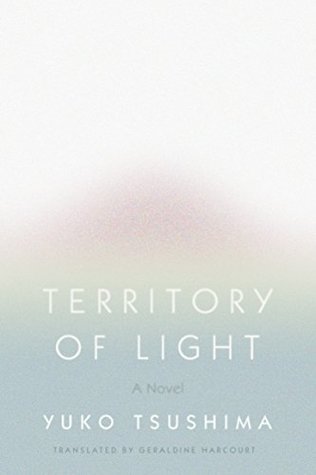
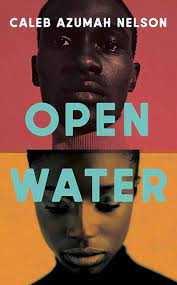
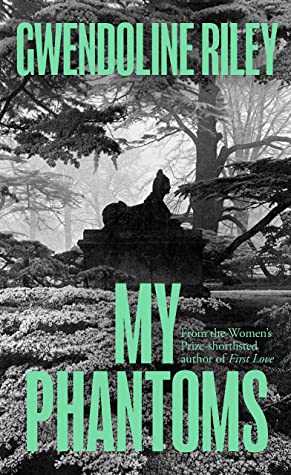
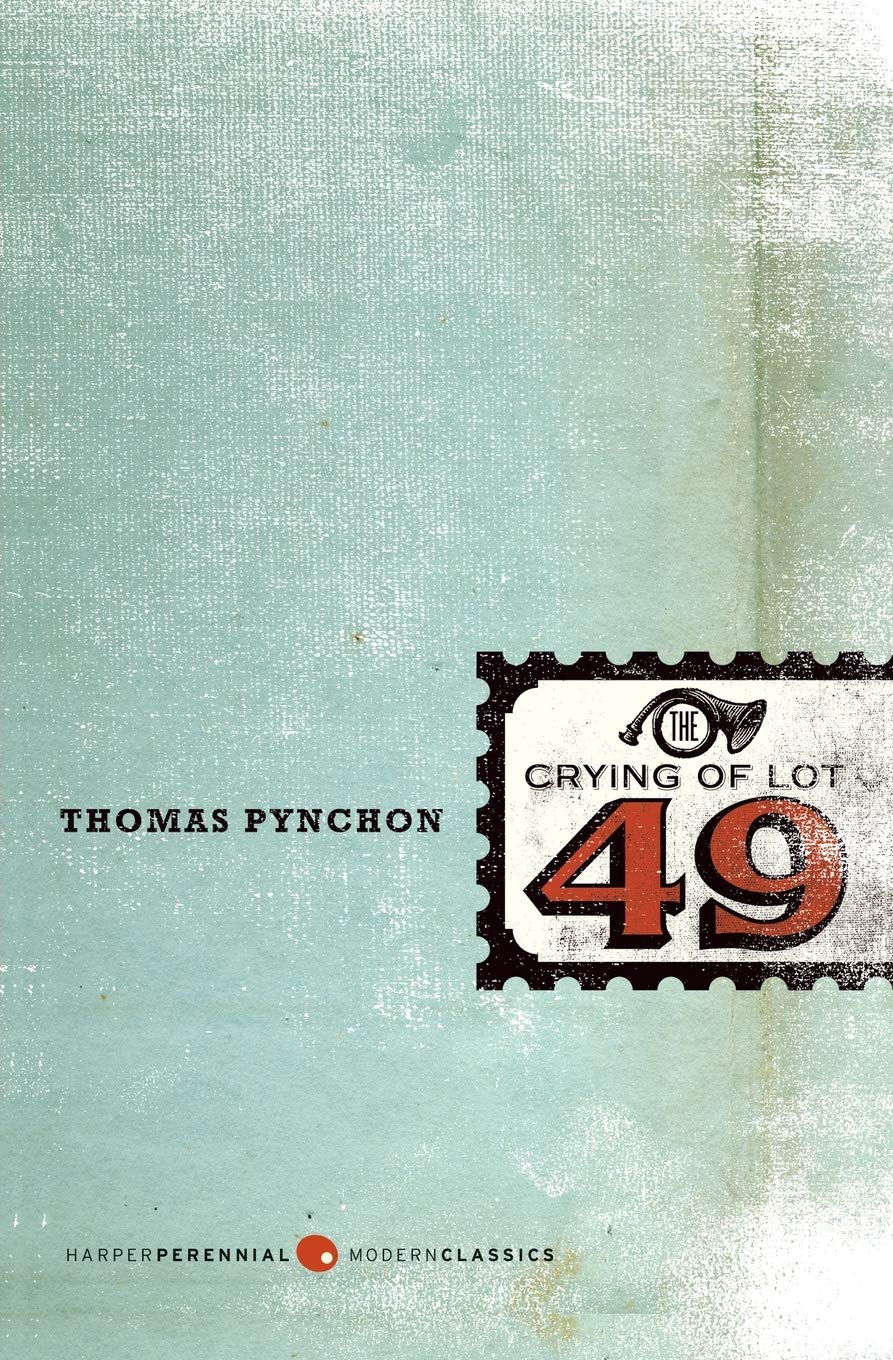
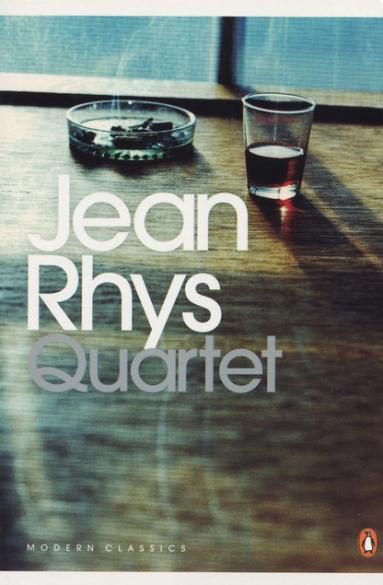
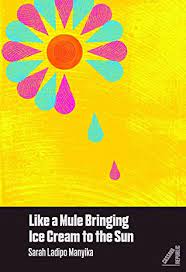
I expected this novella to land as lightly as the cover treatment – like diffuse and gentle morning light. It hit me more like a bright midday sun beam.
It’s a rare book that conveys the frustration, boredom, and drudgery of early motherhood without veering into gross-out humour or sentimentality. I don’t relate to any of the particulars of this story – I became a mother in another millennium, on another continent, and by the time my oldest was turning three, I already had another baby – but the parent-toddler struggles, at the park, at a festival, at daycare drop off, during middle of the night wake ups, are instantly recognizable.
This week’s prompt is hosted by Christopher of Plucked From the Stacks, and I had a hard time with this one! We are to highlight “great nonfiction books that almost don’t seem real” and I wasn’t sure where to take it – nonfiction that in fact turned out not to be real (A Million Little Pieces) or at least disputed, or nonfiction that presents itself as fiction (thinking of genre benders like The Order of the Day by Éric Vuillard and Flights by Olga Tokarczuk), or to stop overthinking it and say Bad Blood.
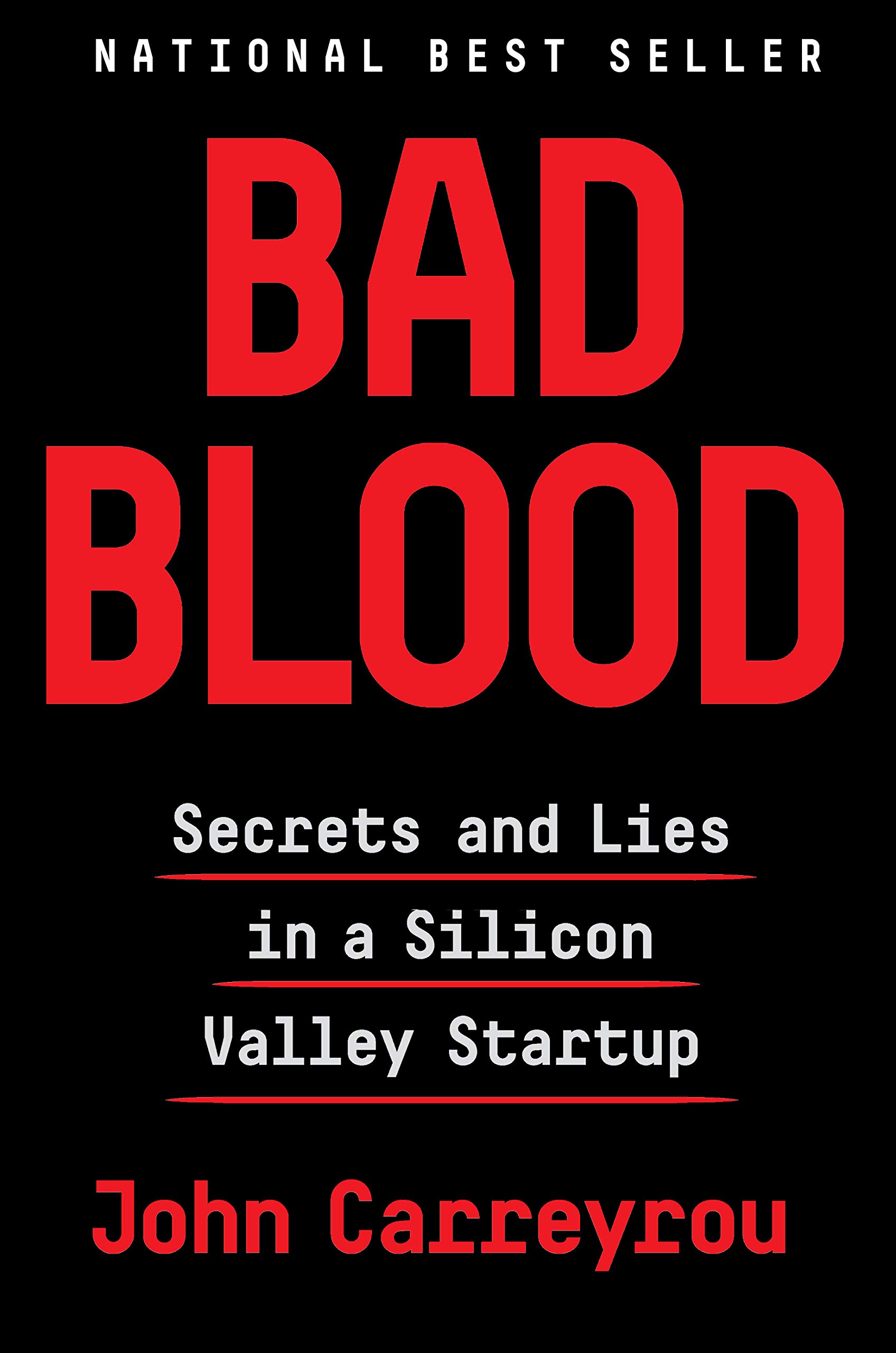
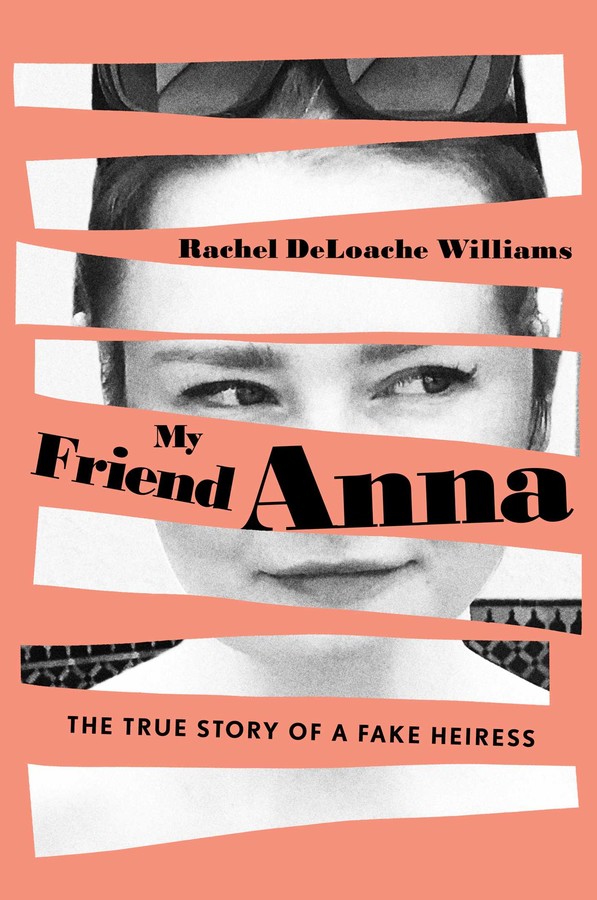
And I will say Bad Blood by John Carreyrou, for all the reasons everyone else is saying it. How this woman scammed everyone around her for so many years is, indeed, stranger than fiction. For extra surrealness, I’m following her trial on Twitter. Another book along these lines (though in a very different setting) that I’d love to read is My Friend Anna: The True Story of a Fake Heiress by Rachel DeLoache Williams, though I get the sense that most of the best details are in the author’s original article. And finally, I eagerly await Bitcoin Widow by Jennifer Robertson, the wife of deceased (maybe) bitcoin mogul and pyramid schemer Gerald Cotten. I hope that there are some jaw dropping revelations, though I won’t hold my breath; if she really helped him fake his death, she’s certainly not going to spill in a book.
And I’ll leave it there. I’m off to read other entries. Start with this week’s host, he’s got some doozies, including the book that inspired the prompt, The Great Beanie Baby Bubble: Mass Delusion and the Dark Side of Cute by Zac Bissonnette. What a title!
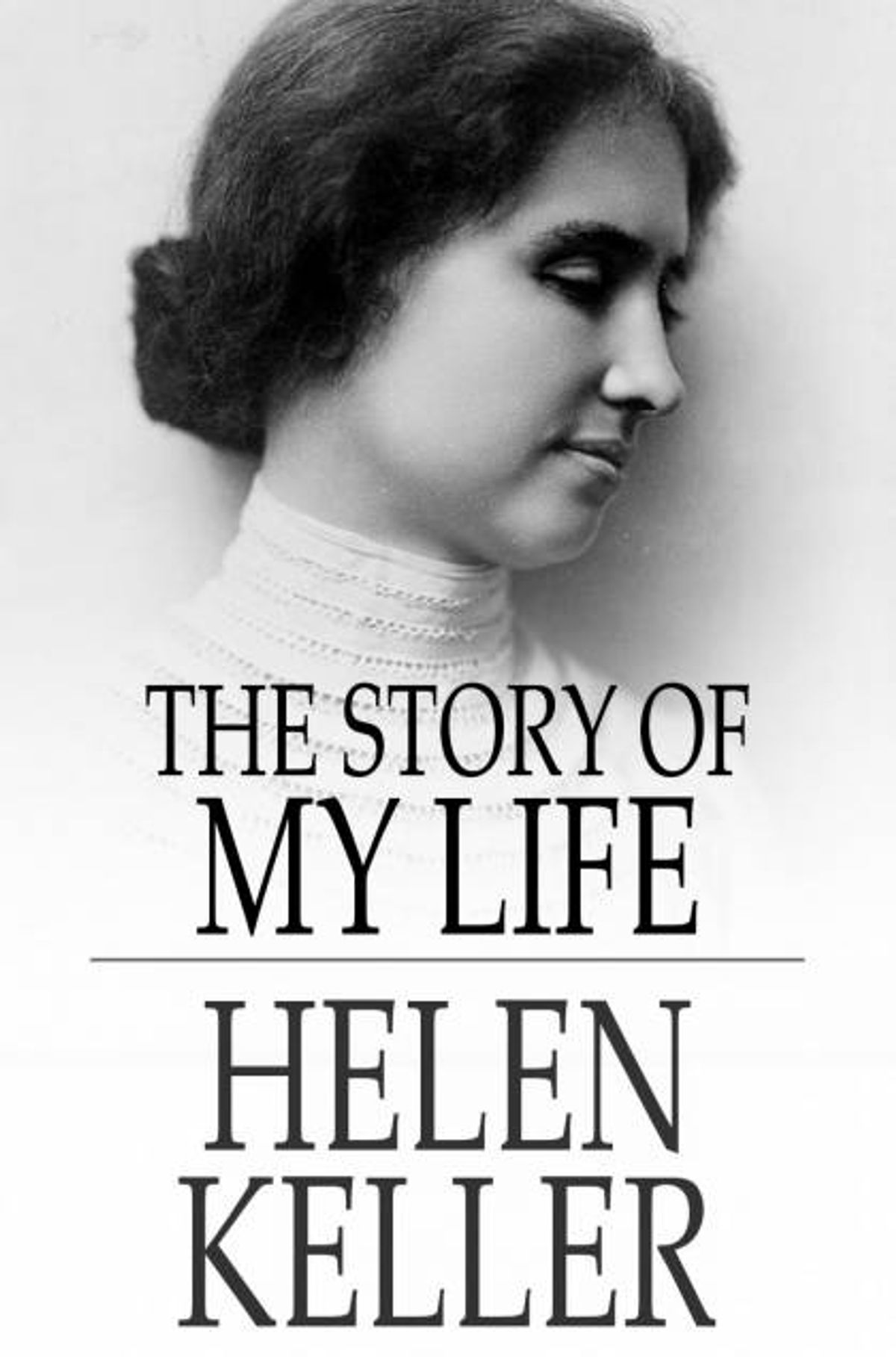
The Story of My Life is the short nonfiction pick for Novellas in November. As always, please refer to Cathy and Rebecca for more thorough reviews.
I was briefly obsessed with Helen Keller as a child. Is this still a phase girls go through in elementary school? There was one book in particular that I read over and over, maybe in grade three or four. I don’t know which book it was (plenty to choose from), but it wasn’t this one.
I was taken with Helen’s childhood: the illness that left her blind and deaf, the wild tantrums of her early years, and her sudden awakening to the world on the arrival of her teacher, Anne Sullivan. So taken that I “borrowed” a few phrases from whatever book I was reading and used them in an assignment, and got called out by my teacher. My memory is not as good as Helen’s, so I couldn’t tell you all the particulars, but I remember the phrase I used was something that ended in “she bolted from the room”. My teacher said it sounded like I copied it, which I did, but I was very indignant; isn’t it okay to learn a new way to say something, and use it somewhere else? I remember the feeling to this day.
Imagine my surprise when I learned that Helen Keller was also called out by a teacher for plagiarizing, and that it was a pivotal moment in her life.
This week’s #NonFicNov prompt is hosted by Veronica, who has given us a few options: you can be the expert, ask the expert, or become the expert on a topic of your choosing. I informally put out a “ask the expert” call in my previous post, and it was answered! If you also want to learn more about Iceland, look no further. This week, I’m going to be the expert on tech pessimism, or to be more precise, on the many, many ways in which social media is harmful.
I’m not really a tech pessimist, or if I am, I’m deeply in denial, seeing as I tweet an average of 250-300 times per month. And yet I’m drawn to these books. I read them, agree with them, vow to change my ways, take week or month-long social media breaks, and then go right back to where I started. I see my Twitter addiction like my (long dormant, but never really gone) smoking addiction; the only way to beat it is to go cold turkey and to never give it an inroad. But unlike smoking, I can’t fully give up social media and neither can you, probably.
This week’s #NonFicNov prompt is hosted by Katie at Doing Dewey, and she challenges us to pair a nonfiction book with a novel. She suggests a historical novel paired with the real history, which is the best place for me to start. In the run up to publication of The Mirror and the Light by Hilary Mantel, third and final book in the Wolf Hall series, I took in a pre-Broadway run of Six in late 2019, and reread the first two books in early 2020. I was so ready. Unfortunately, my reading experience ended up being seriously dampened by early pandemic anxiety. A reread will be in order. But to make myself feel better, I indulged in a couple of Tudor nonfiction titles.
So if you liked the Wolf Hall series, you should check out:
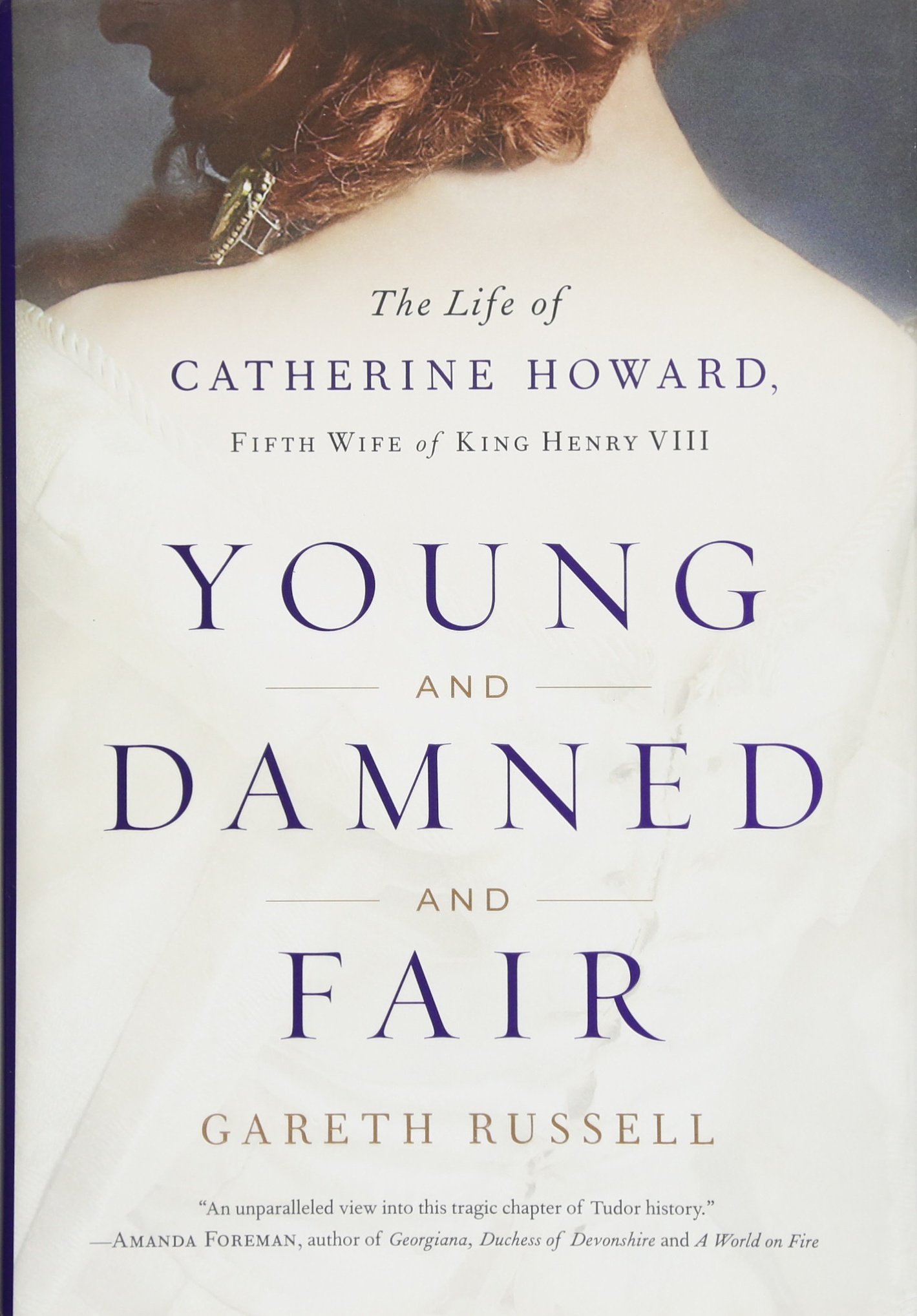
Young and Damned and Fair: The Life of Catherine Howard, Fifth Wife of Henry VIII by Gareth Russell. Juicy and scandalous, but scholarly enough to bring some real insight into what the Tudor court was like for an eligible young woman.
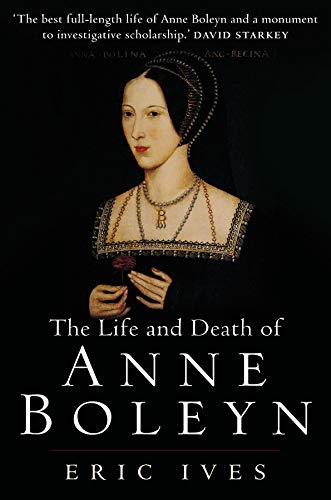
The Life and Death of Anne Boleyn by Eric Ives is a little drier at times (he has a lot to say about her possessions, textiles and drinking vessels and prayer books and whatnot), but not without controversy, as theories abound about who Anne really was and how much agency she really had. But this does seem to be the authoritative account, and has been since 1986.
And speaking of royals, fans of Neal Stephenson’s The Baroque Cycle, or specifically the first book, Quicksilver, which is all I read, should check out the real life story of a minor character in Anna Keay’s The Last Royal Rebel: The Life and Death of James, Duke of Monmouth. He is portrayed as a lecherous rake in Quicksilver, and well, he basically comes across as the same in Keay’s history, but with some nuance. Great fun, and illuminating, if you read historical fiction set in this time.
Reading history (and not just royal history) to clarify and illuminate novels would be a fun project! It’s got me thinking about the world literature I’ve loved this year, like Independent People (20th century Iceland) and Demons (19th century Russia), and how they could probably be appreciated better with more background knowledge. I have a bit of a TBR going for Russian nonfiction, but wouldn’t know where to begin with Iceland.
I hope others are able to go beyond Katie’s suggestion of historical fictions/history, but I’m drawing a blank! I thought about suggesting various anti-social media books to go with Lauren Oyler’s Fake Accounts, but I’m going to save that for next week’s prompt…
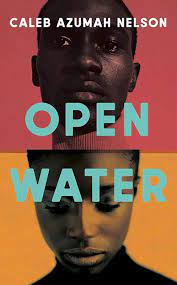
Open Water is the contemporary novellas pick for Novellas in November. Please read Cathy’s review, which I largely concur with, and Rebecca’s review, in which she suggests Normal People as a “readalike” (I can’t comment… yet). Liz also wrote an insightful review earlier this year. All four of us are a little uncertain about this very Millennial (or possibly Gen Z!) novel…
The best part of Novellas in November is the research. Once you start looking, there are <200 page books all over the place, just waiting for the appropriate alliterative month to begin! Here’s a round up of my 2021 discoveries and ambitious TBR.
The official buddy reads
Cathy and Rebecca have included weekly buddy reads in this year’s event, and since all four books were easily procured for no cost (library and Project Gutenberg), I’m going to try and keep up.
Week one is a contemporary novella, Open Water by Caleb Azumah Nelson. I’ve seen this book everywhere, and it got a glowing review from Rachel, so I’m in.
Week two is a work of short nonfiction, The Story of My Life by Helen Keller. I was obsessed with Helen Keller for a while in elementary school and look forward to revisiting.
Week three is a novella in translation, Territory of Light by Yuko Tsushima, translated by Geraldine Harcourt. I’ve had good luck with Japanese novellas in the past.
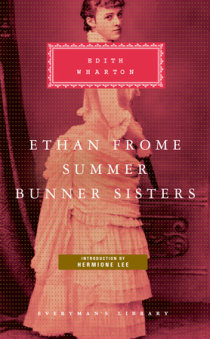
Week four is a classic novella, Ethan Frome by Edith Wharton. I *think* I’ve read it (it’s crossed off in my 1,001 Books page, anyway) but I can’t remember much and seems due for a reread.
The books in my library
Unread novellas from #NovNovs past and recent additions.
My Phantoms by Gwendoline Riley is 199 pages exactly and arrived last week. It’s a sign.
The Crying of Lot 49 by Thomas Pynchon, a leftover from this year’s 20 Books of Summer
The novellas that have crossed my path leading up to #NovNov. Will I get to any of these? Almost certainly not. But maybe… in time…
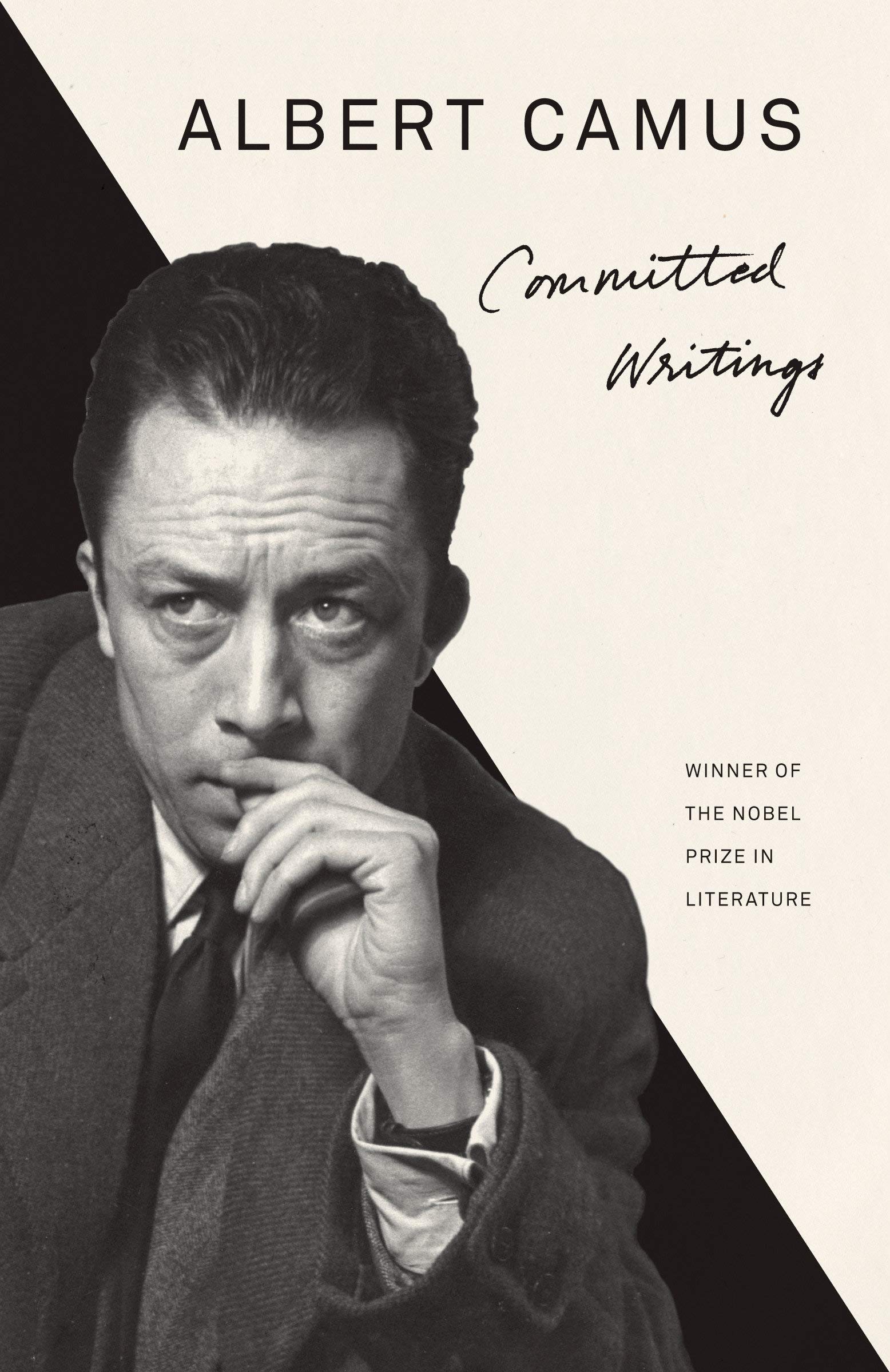
Committed Writings by Albert Camus is a perfect nonfiction novella combo, a collection of speeches and letters, and sounds fascinating. Reviewed by Brona.
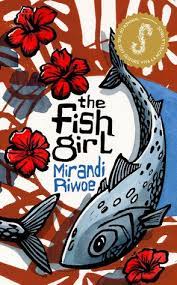
The Fish Girl by Mirandi Riwoe won a novella prize, and is in the tradition of Wide Sargasso Sea(another solid #NovNov pick), in that it takes a side character from a classic novel and gives her new life. Reviewed by ANZ Litlovers.
This week’s #NonFicNov prompt is hosted by Rennie at What’s Nonfiction, and it’s a very good place to start. My year in nonfiction has been pretty good, with a third of the books I’ve read qualifying. I’ve struggled with various reading slumps (or more realistically, stress and depression) in 2021, and sometimes I can convince myself that reading something “real” is more… worthwhile? Grounding? The juicier the better, and I read a few doozies this year. Let’s check out Rennie’s prompts!
My favourite part of blogging has got to be the events. I love hosting a good read-along, but I don’t have the energy right now. So I’ve decided to throw myself into some events hosted by other, more ambitious bloggers.
Nonfiction November
I’ve never participated in Nonfiction November, despite nonfiction making up a significant portion of my reading (about a third of the books I’ve read in 2021, up from about a quarter in 2020 and 2019). It’s time to correct this gross oversight.
You know I love to dive into book blog lore, and I see someone already tried to piece together the origins of Nonfiction November, tracing it back to 2013 and two defunct book blogs (the sad part of looking into book blog history is how many blogs are abandoned… or in this case, one of them redirects to a porn site, beware!). I also found a podcast where the current hosts reminisce about the origins of this event.
As for me? I’m trying to go all in, which means blogging about each of the weekly prompts, starting with a fairly easy one about your year in nonfic so far. I’m most looking forward to “be the expert” week, where I will choose between my expertise in tech pessimism (finishing up The Ugly Truth as we speak), and Jonathan Franzen’s nonfiction, which I should complete at some point during the month (just his most obscure work, The Kraus Project, to go!)
Novellas in November
This one should need no introduction – I did a whole post on the history of my beloved #NovNov and despite appearances, I’ve never hosted, just participated enthusiastically. Which I hope to do again. Capable hosts Bookish Beck and Cathy of 746 Books have not only created weekly themes, but will host read-alongs for each – this might be too much for me and my pandemic-addled brain to keep up with, but on the other hand, it saves me the trouble of choosing books. Territory of Light has been on my radar… and I can’t quite remember if I’ve read Ethan Frome.
Depending how this goes, I might see what’s happening for December as well, anyone organizing anything?
A year ago, I surveyed my media habits after six months of pandemic living. I looked at bookish blogs, YouTube channels, and podcasts. My podcast consumption had suffered the most, since I didn’t drive anywhere. I was also feeling too burned out and disconnected to keep up – imagine, we weren’t even in the second wave yet! Now, from deep in the fourth wave, it’s time to take stock.
Lately I find myself drawn to podcasts. They lend themselves to projects, conversation, and retrospectives, rather than roundups and book hauls, and the tone tends to be more soothing than your average YouTube video. My only frustration with podcasts is that, unlike blogs and YouTube, there’s no comment section.
But that’s the whole point of a blog, right? Spouting off unqualified opinions? Who needs a comment section!
A new bookish podcast launched this month, and it seems tailor made for me. Mr. Difficult is a podcast devoted to Jonathan Franzen, both his works and his public persona. The “project” is reading and discussing Franzen’s novels in order of publication, culminating in Crossroads.
The hosts, writers Erin Somers and Alex Shephard, plus producer Eric Jett, are not fully fledged Franzen stans. In the first episode, they acknowledge that he is difficult to love, and easy to dunk on. Alex says he’s “attracted and repelled” by him, and Erin says she’s somewhere between a lover and hater. Personally, I find his dunkability endearing, but that’s just me…